
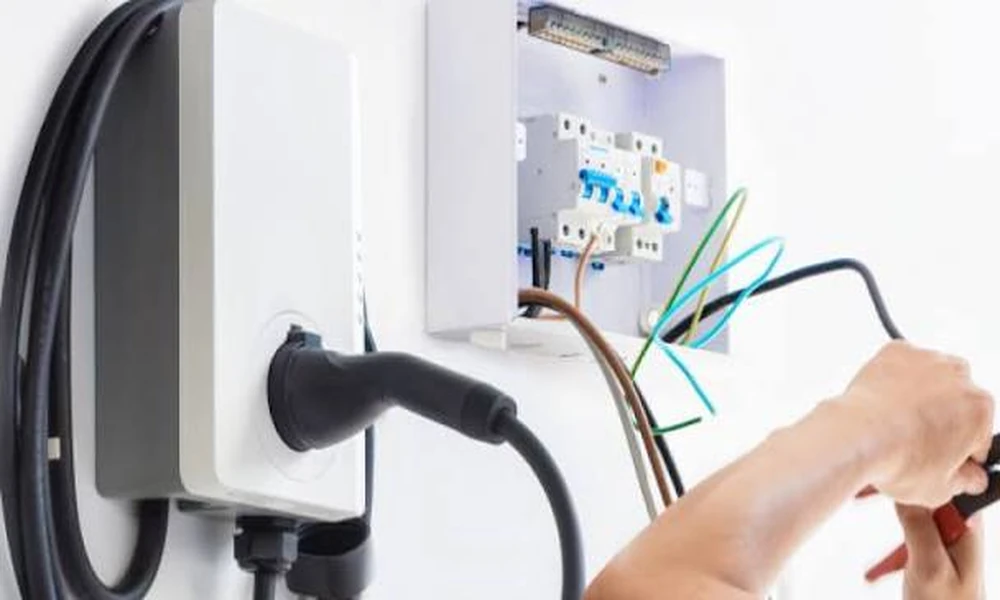
Homes in and around Chagrin Falls carry an unusual mix of electrical eras. The village dates to the 1840s, and its historic core still holds houses where original knob and tube runs sit behind plaster, while nearby subdivisions in Bainbridge and South Russell went up in the 1960s and 70s on 100 amp services that were never meant for heat pumps, induction ranges or a car charging overnight. Add lake effect snow on the western edge of the Geauga snowbelt and summer storms that topple old trees onto lines, and most homeowners face the same problem: several worthwhile electrical projects competing for one budget and one panel.
Sorting out that order is the core of the residentials electrical services in Chagrin Falls offered by a Middlefield team that handles everything from remodel wiring and landscape lighting to hot tub, pool and EV charger circuits, along with whole house Kohler standby generators backed by surge protection. Before you commit to a remodel plan or a charger purchase, book a walkthrough so the panel, the wiring and the wish list get evaluated together rather than one project at a time.
Repairing the Old Before Adding the New
The first tension is safety work versus visible upgrades. Rewiring rarely shows up in listing photos, while a new kitchen or patio does, so it tends to get postponed. The problem is that Ohio enforces the 2023 National Electrical Code for residential work, and modern rules follow you into old walls. Extend a branch circuit during a remodel and arc fault protection generally comes along with it. Replace a kitchen receptacle and current ground fault rules apply. That means a “small” bathroom update in a 1920s home can expose ungrounded circuits, brittle cloth insulation or splices buried without boxes, and the remodel budget absorbs the repair anyway.
Compare the two paths directly. Patching as you go spreads cost over years but reopens plaster repeatedly and leaves the oldest circuits in service longest. A planned rewire costs more upfront but happens once, often while walls are already open, and tends to ease insurance conversations that knob and tube can complicate. Homes built or added onto between roughly 1965 and 1973 face a different version of this choice. The Consumer Product Safety Commission’s guide to repairing aluminum branch circuit wiring explains why those connections overheat and which repair methods it accepts, and full replacement with copper remains its preferred fix when budgets allow.
Upgrading the Service or Managing the Load
The second tension sits at the panel. A remodel with an induction range, a heat pump water heater and a Level 2 EV charger can push a 100 amp service past its limits on paper. The traditional answer is a 200 amp service upgrade, which brings utility coordination, a new meter base and, under current code, a whole house surge protective device on the new service.
The newer answer is load management. The 2023 NEC allows an energy management system to cap what an EV charger can draw based on the rest of the household load, and it permits load calculations based on a year of actual demand data from the utility rather than worst case assumptions. Upgrade versus manage looks like this in practice: the upgrade costs more and takes longer but leaves room for future additions, while a managed charger costs less now but slows charging when the dryer and oven run together. For a household with one car and modest plans, management often wins. For a family planning a second EV, an addition or a heat pump conversion within a few years, the upgrade usually pays off sooner than expected.
Backyard Comfort Versus Outage Readiness
The third trade-off is where discretionary money goes outdoors. Hot tubs, pool equipment and landscape lighting are the projects homeowners actually enjoy, and each carries its own rules. Spa and pool circuits require ground fault protection, an accessible disconnect within sight of the equipment and, for pools, equipotential bonding of metal parts around the water. Landscape lighting is lighter work, usually low voltage, but still benefits from planning conduit routes before patios and plantings go in.
A standby generator competes for the same dollars, and here the comparison is about risk rather than enjoyment. A hot tub improves winter evenings; a generator keeps the sump pump, furnace and freezer running through a multi day outage after an ice storm. Many owners split the difference by sizing a generator for essential circuits and letting it lock out the spa heater and EV charger automatically, which keeps the unit smaller and the fuel bill reasonable. Whole house coverage costs more but avoids deciding, mid outage, which rooms stay cold.
Permit Speed Versus Design Freedom
The last consideration is how much paperwork a project triggers. Inside the village, the Chagrin Falls Building and Zoning Department requires a permit for any electrical change, and contractors must be registered with the village before work starts. Residential electrical permits are inexpensive, but generator installs may call for detailed electrical and gas piping diagrams, and services above 200 amps may need a diagram reviewed before approval. Exterior work that changes how a property looks can also route through the Architectural Board of Review, which matters when a generator, meter base or lighting plan sits in view of the street.
A Chagrin Falls mailing address does not guarantee the property is inside village limits, so homes in the surrounding townships often deal with the county building department instead, with different forms and timelines. Choosing a less visible generator location or a standard service size can shorten review; insisting on a front yard placement or an oversized service can lengthen it.
Putting the Pieces in Order
None of these trade-offs has a universal answer, but the sequence tends to follow the same logic. Hazards inside the walls come first because every later project depends on them. Panel capacity comes second because it decides whether chargers, ranges and spas can be added without crowding each other. Comfort and resilience projects follow, sized around what the house can carry. Homeowners who plan all four at once usually spend less overall than those who tackle them one emergency at a time.