
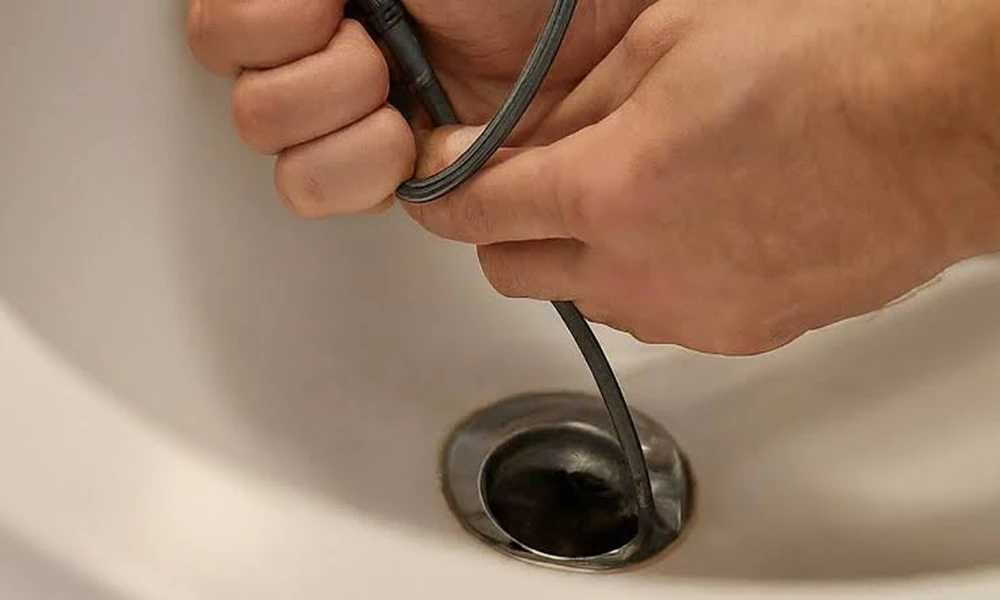
The third backup is usually the one that changes a homeowner’s mind. The first time the kitchen sink stalls, a plunger or rented auger feels like a win. The second time, a plumber runs a cable, the water drains, and everyone moves on. By the third, it stops feeling like bad luck and starts feeling like the pipe is trying to say something.
It is. A drain line keeps a record of everything that has passed through it, and a snake only reads the last page. A cable bores a hole roughly the width of its head through the blockage, then pulls back out. The grease, scale and root hair clinging to the rest of the pipe wall stay right where they were, and the new opening starts shrinking with the next load of dishwater.
That gap between opening a drain and actually cleaning it is where high pressure water earns its place. Around Hutto and Georgetown, Extreme Plumbing and Hydro-Jetting has handled this work since 2011 under owner Derril Peralez, who brings more than three decades in the trade across California and Texas. His crew runs trailer mounted US Jetting machines pushing up to 4,000 psi at 18 gallons a minute through 500 feet of hose, pairing rotary nozzles with color camera inspection on lines as small as a floor drain trap and as large as a 10 inch main.
Reading the Walls of a Pipe
When a camera goes into a line that has been snaked for years, it rarely finds one tidy clog. It finds layers, and each one has a different cause.
- Grease and soap. Cooking fats cool as they travel, then bind with soap residue into a waxy coating that narrows the pipe much like plaque in an artery.
- Mineral scale. The hard water common across Central Texas leaves calcium deposits that roughen the pipe interior and give everything else something to grip.
- Root hair. Live oaks, cedar elms and pecans send fine roots toward any joint that weeps a little moisture. Once inside, they spread into a net that catches paper and waste.
- Sediment and sludge. Sand, grit and organic matter settle in low spots and slowly harden.
A spinning cable can chop through one of these layers, but it cannot strip all four from the full circumference of the pipe. Water can. The nozzle fires jets backward against the pipe wall as it pulls itself forward, scouring the whole diameter and flushing loosened debris downstream.
Why the Ground Here Makes It Harder
Much of eastern Williamson County sits on Blackland Prairie clay, a soil that swells after heavy rain and shrinks hard through a long dry summer. Buried pipe moves with it. Over the years that movement can open joints, push sections slightly out of line, or create a sag, often called a belly, where water and solids pool instead of draining.
None of these is a clog in the usual sense, which is exactly why they return after a cable clears them. Jetting can remove what collects in a belly or at an offset joint, but it cannot lift a sagging pipe back into grade. That is a repair job, and an honest plumber will say so rather than selling the same cleaning every six months.
When Water Is the Wrong Tool
Many homeowners never hear this part. Pressure strong enough to cut roots can also finish off a pipe that is already failing. Lines that call for caution or a different approach include the following.
- Cast iron that has corroded thin, common in homes built before plastic drain pipe took over
- Old clay tile with cracked or open joints
- Fiber pipe from older construction that has started to flatten into an oval
- Any line the camera shows as broken, collapsed or badly separated
This is why a camera pass before jetting matters so much. It confirms the pipe is sound, shows what the blockage is and where it sits, and helps the technician choose pressure and nozzle. If a line is fully blocked, a cable may go in first just to let water and the camera through. A second pass after cleaning shows you the result instead of asking you to trust it.
What a Visit Usually Looks Like
Most residential jobs start at an outdoor cleanout, the capped pipe near the foundation or along the yard. The technician scopes the line, selects a nozzle suited to the problem, feeds the hose toward the city connection, and works it back slowly so loosened material rinses away. Root cutting heads, penetrating heads for packed clogs and rotary heads for grease all do different work, and knowing when to swap between them is a big part of the skill.
Expect it to take longer than a snake call. If your home has no accessible cleanout, adding one is worth considering, since it makes every future service simpler and usually cheaper.
Signs the Problem Runs Deeper
Some drain trouble really is just a hairball. Other symptoms point further down the line.
- Several fixtures slowing at once, especially on the lowest floor
- A toilet gurgling when the washer drains or the tub empties
- Sewage odor near floor drains or the yard cleanout
- A patch of lawn that stays greener or softer than the rest
- The same drain needing service more than once or twice a year
Any of these suggests the issue lives in the main line rather than a single trap.
Keeping a Clean Line Clean
Once a pipe is properly scoured, daily habits decide how long it stays that way. Scrape pans into the trash even when the grease still looks liquid. Skip so called flushable wipes, which hold together far longer than toilet paper. Keep strainers on shower drains and run hot water after heavy dish loads.
Homes with big trees near the sewer path, older rentals and restaurants often benefit from scheduled jetting every year or two, timed before trouble rather than after it. Commercial kitchens may need it more often depending on grease volume and interceptor upkeep.
A drain that clogs once is an event. A drain that clogs on a schedule is a pipe with history, and the real fix starts with seeing that history instead of punching another hole through it.