
How Seasonal Weather Changes Pest Activity Around Your HomeTable of Contents
- Why Weather Changes Pest Activity
- Spring: Watch for New Insect Activity
- Summer: Control Water, Food, and Yard Growth
- Fall: Close Gaps Before Pests Seek Shelter
- Winter: Do Not Ignore Indoor Signs
- A Simple Seasonal Home Inspection
- Safer Pest Prevention Methods
- When to Seek Professional Help
- A Year-Round Prevention Plan
Weather affects where pests travel, feed, breed, and hide. Rising temperatures can increase insect activity, heavy rain can create moisture problems or disturb outdoor nests, and cold weather can push rodents and other pests toward protected indoor spaces. A consistent prevention routine helps homeowners respond before small signs become larger problems.
Home maintenance is an important part of keeping pest pressure manageable throughout the year. Whether you handle basic prevention yourself or work with a local provider such as Pointe Pest Control, the most useful approach is to look for food, moisture, shelter, and entry points around the property.
Why Weather Changes Pest Activity
Many pests are more active when conditions support feeding and reproduction. Warm weather often brings more visible ants, mosquitoes, flies, and other insects. Rain may leave standing water, saturate soil, or force pests out of flooded nesting areas. During dry periods, pests may gather around irrigation, pet water, leaking spigots, or other reliable moisture sources.
Cold temperatures change behavior too. Rodents, spiders, and overwintering insects may look for warmer, drier places in wall voids, attics, garages, crawl spaces, and storage areas. Weather is only one part of the picture, however. Accessible food, damp materials, dense vegetation, clutter, and unsealed openings can all make a home more attractive.
Spring: Watch for New Insect Activity
Spring is a useful time to inspect the property after winter. As temperatures rise, ants may resume foraging, mosquitoes can use newly available water, and termites may become easier to notice during swarming periods. Winged insects near windows, doors, foundations, or interior light fixtures deserve a closer look, especially if they appear repeatedly.
Spring property checklist
- Clear leaves and debris from gutters and confirm downspouts move water away from the foundation.
- Repair torn window and door screens, and check that exterior doors close tightly.
- Trim branches and shrubs away from siding, windows, and roof edges.
- Look for damp wood, plumbing leaks, or moisture in crawl spaces and basements.
- Check areas with past water damage before warm-weather pest activity increases.
Summer: Control Water, Food, and Yard Growth
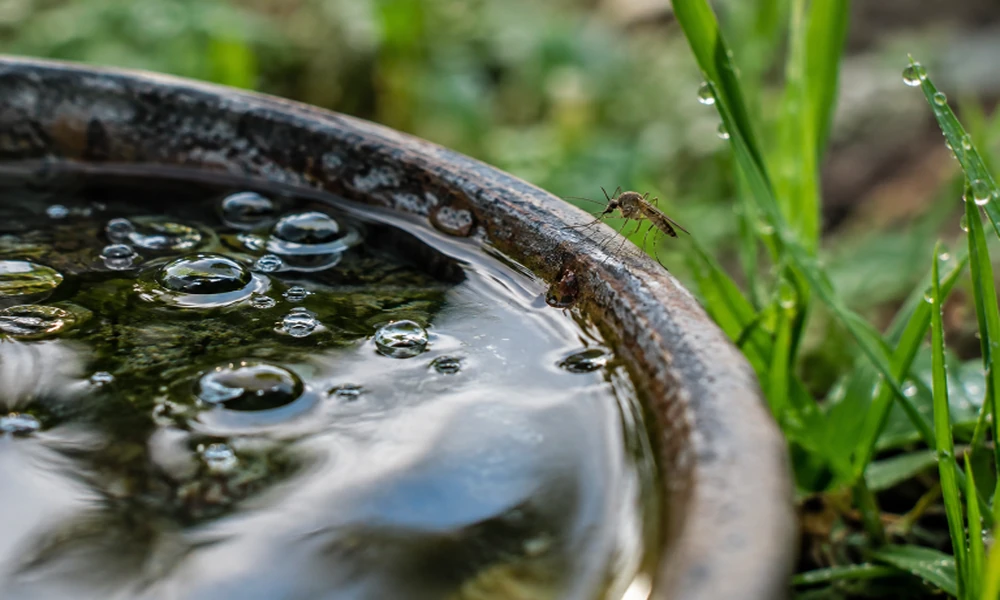
Summer conditions can make outdoor pest activity more noticeable. Empty water from plant saucers, buckets, toys, tarps, clogged gutters, and similar items that can hold rainwater. Refresh birdbath water regularly, keep garbage containers closed, and clean up pet food, crumbs, and spilled drinks after outdoor meals. These steps reduce common food and moisture sources for ants, flies, and mosquitoes.
Keep grass cut and reduce heavy brush near patios, play areas, and frequently used paths. Ticks can be encountered in grassy, brushy, and wooded places, including yards. Practical tick prevention steps include avoiding tall grass and leaf litter, checking people and pets after time outdoors, and creating cleaner boundaries between lawns and wooded edges.
Fall: Close Gaps Before Pests Seek Shelter
Cooling weather makes fall an ideal time to focus on exclusion. Inspect door sweeps, weatherstripping, screens, roofline openings, vents, and gaps where pipes or cables enter the home. Even a small opening can provide access to a protected interior space, so repair damaged materials rather than waiting for clear signs of activity.
Store firewood off the ground and away from the home when possible. Check outdoor furniture, decorations, gardening tools, and stored supplies before bringing them indoors. Repeated movement into the same wall, roof, or foundation opening can indicate an active entry route that needs prompt attention.
Winter: Do Not Ignore Indoor Signs
Winter does not always mean pest activity has stopped. Heated indoor areas can support pests that have found food, water, and shelter. Watch for droppings, scratching sounds, damaged food packages, shed insect skins, webbing, nesting material, or unusual odors. Inspect attics, garages, basements, crawl spaces, wall-adjacent storage, and seldom-used rooms.
Reduce hiding places by limiting cardboard clutter and storing dry goods, pet food, and bird seed in sturdy sealed containers. A winter inspection can uncover a small issue while it is still easier to isolate and correct.
A Simple Seasonal Home Inspection
A short inspection several times a year can reveal recurring conditions that attract pests. Walk slowly around the exterior, then check storage and utility areas inside. Record what you find and note recent weather patterns, since activity after rain, drought, or sudden cold can help identify the likely cause.
- Examine the foundation for cracks, gaps, moisture, and damaged screens.
- Check gutters, downspouts, hose connections, and low spots where water collects.
- Inspect doors, windows, vents, and utility penetrations for loose seals.
- Look behind stored items for droppings, insect remains, webbing, or nesting material.
- Cut back plants that touch siding, windows, roof edges, or exterior equipment.
Safer Pest Prevention Methods
Prevention works best when the pest is identified before treatment begins. A small fly problem, an ant trail, and rodent evidence each call for different solutions. Start with sanitation, moisture control, exclusion, monitoring, and habitat changes. The EPA’s integrated pest management principles emphasize monitoring and prevention before selecting a control method.
If a pesticide product is used, follow its label exactly. Keep products away from children, pets, food-preparation surfaces, and water sources. Avoid applying a product simply because a pest was seen once, particularly when cleaning, sealing, trapping, or removing moisture can address the cause.
When to Seek Professional Help
Professional assessment may be appropriate when activity continues after basic prevention, when pests are entering hidden spaces, or when the source cannot be found. Termite concerns, rodents inside walls, active stinging-insect nests, and recurring pest activity around vulnerable areas often need more than routine cleaning or sealing.
Ask for clear pest identification, inspection findings, treatment instructions, and follow-up recommendations. A thorough service should address the conditions allowing pests to remain on the property, not only the pests that are currently visible.
A Year-Round Prevention Plan
Each season presents a different opportunity for prevention. Spring calls for cleanup and moisture checks. Summer focuses on water, food, vegetation, and outdoor exposure. Fall is the time to seal openings before pests seek shelter. Winter requires indoor monitoring and organized storage. Small maintenance tasks completed throughout the year can reduce the conditions that many common pests need to thrive.