
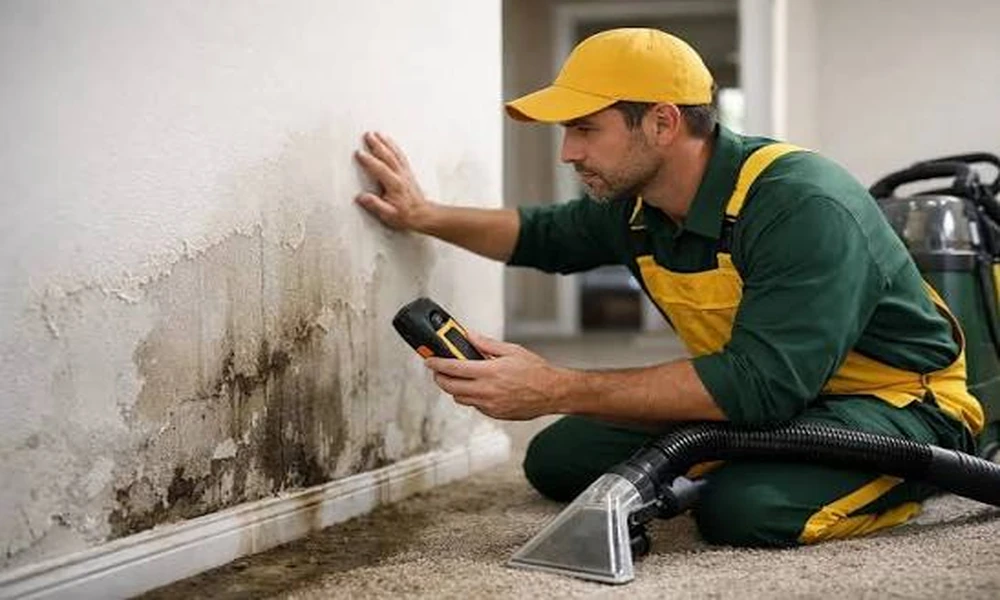
The water is usually the easy part. A burst supply line under the kitchen sink or rain coming in under a slider makes a mess you can see and mop. The real damage happens over the next few days, inside walls, under flooring and in the gap between the slab and the baseboard. In those places, moisture spreads slowly and mold starts growing well before anyone smells it.
San Diego homeowners often assume their dry climate takes care of this. It doesn’t. The marine layer keeps coastal homes damp for much of the year, and inland houses tend to be closed up with the AC on, so trapped moisture has nowhere to go. A wet wall here can stay wet for weeks if nobody actively dries it.
That is why the work after the cleanup matters as much as the cleanup. If you’re looking into San Diego water damage restoration, ecotech-pro.com approaches it from the structure itself. The local contractor tears out and replaces soaked attic insulation, seals damp crawl spaces with vapor barriers, and replaces the windows, sliders and entry doors that let storm water in. With showrooms in Miramar and near the border on Main Street, it works on the repairs that keep water from coming back.
Where the Water Tends to Come From Here
Every region has its usual suspects. San Diego’s list is a little different from the national one.
Slab leaks are near the top. Many homes built from the 1960s through the 1980s have copper water lines running under the concrete, and decades of hard Colorado River water wear those pipes thin. The first sign is often a warm spot on the floor, a water bill that jumps for no reason, or a hissing sound when every tap is off.
Then there are the storms. The January 2024 downpour that flooded Southcrest, Shelltown and parts of Spring Valley showed how quickly a city built for drought can be overwhelmed. Water came in under doors, through old window frames and up through crawl space vents. Plenty of homes that never flooded still got water through failed slider tracks and window flashing that had dried out and cracked over years of sun.
Rounding out the list are washing machine hoses, water heaters that are well past their lifespan, AC condensate lines that clog and overflow into attic ceilings, and the occasional toilet supply line that bursts while the family is away for the weekend.
The First Hour Belongs to the Shutoff Valve
Before anything else, stop the water. Most San Diego homes have a main shutoff near the front hose bib or in a box by the curb, and everyone in the house should know where it is before they need it. If water has reached outlets or is pooling near the electrical panel, turn off power to that area at the breaker, or leave the house and call the utility if you can’t safely reach the panel.
Then figure out what kind of water you’re dealing with. Restoration pros sort water into three categories by contamination. Clean water comes from supply lines. Gray water comes from things like dishwasher overflows. Black water carries sewage or ground runoff. Water from outdoors has long been treated as the dirtiest kind by default, but the industry’s consensus body recently clarified that weather-related water is not automatically placed in the worst category and should be judged on the actual source and conditions. That distinction affects what can be cleaned and kept and what has to be cut out.
Day One Belongs to the Camera and the Wet Vac
Adjusters see a house days after the fact, so the evidence you collect early carries a lot of weight. Before you move or throw anything out, walk through and photograph or film:
- The source of the leak, close up and from across the room
- The waterline on walls, cabinets and furniture legs
- Every damaged item before it goes to the curb
- Model and serial numbers on damaged appliances
- The water meter reading, if a hidden leak is suspected
After that, get standing water out as fast as you can. Pull up area rugs, lift furniture onto foil or wood blocks, and open cabinet doors under sinks. Carpet pad works like a sponge and usually can’t be saved, but carpet soaked by clean water often can be if drying starts within a day or so.
Insurance questions come up here too. A standard homeowners policy usually covers sudden and accidental water, like a pipe that bursts. It typically does not cover slow leaks that went on for months, and it almost never covers flooding from outside, which needs a separate flood policy. Knowing which of these you have shapes how you talk to the insurer.
Days Two Through Five Look Boring and Matter Most
This is the stretch homeowners tend to rush, and it decides how the whole job turns out. Real drying involves commercial dehumidifiers and air movers running around the clock, plus daily moisture readings taken from walls, subfloors and baseboards. Drywall that feels dry to the touch can still be holding plenty of water a few inches up from the floor.
Restorers often cut a flood line, removing the bottom foot or two of drywall so air can reach the insulation and framing behind it. Wet fiberglass batts sag and don’t dry well, so they usually come out. Under raised floors, the crawl space has to be dried along with the rooms above it, or that moisture will keep wicking upward long after the living spaces look fine.
Mold can start growing on damp materials within a day or two, which is why this window matters so much. Fans from the hardware store and an open window rarely move enough air, especially on a gray coastal morning when the outdoor air is nearly as humid as the air inside.
The Rebuild Waits for the Meter
Once the readings show framing and subfloors back to normal moisture levels, reconstruction can begin. That means new drywall and insulation, flooring, baseboards and sometimes cabinets. Closing walls before that point traps moisture inside and practically guarantees mold behind the new paint.
The rebuild is also the right time to fix whatever let the water in. If a storm found its way through an aging aluminum slider, putting the same slider back invites a repeat. Re-flashing windows, replacing worn door thresholds, adding a vapor barrier under a raised floor, or rerouting a slab line overhead all turn a repair into actual prevention.
Water damage teaches the same lesson over and over. What you see on the floor in the first hour is rarely what costs the most. The money and the headaches come from moisture nobody measured and from walls closed too soon, so taking those days of drying seriously is what makes the repair last.