
Safety around trees is usually discussed as though it were a matter of luck: a branch falls or it does not. In practice it is a question of management, and the standard expected of a homeowner differs from that expected of a shopping centre or a school. Planned tree cutting, carried out within the law and on a sensible schedule, is the main tool any occupier has for keeping people and property out of harm’s way.
Why Trees Become Hazards
A healthy tree in the right place is an asset. Hazards arise when part of it is likely to fail and there is something of value underneath. Arborists call that something the target: a footpath, a parked car, a playground, a roof. The same defect is treated very differently depending on what lies below it. A dead limb over an unused corner of a garden can wait, while an identical limb above a condominium entrance needs attention within days.
Risks Specific to Homes
On landed residential plots the common problems are branches overhanging roofs and car porches, roots lifting driveways and boundary walls, and trees that have grown into overhead service lines. Gardens are often narrow, so there is little room for a limb to fall harmlessly. Homeowners also tend to know their trees less well than they assume, because defects high in the crown cannot be seen from the patio. A periodic inspection by a trained eye fills that gap at modest cost.
Risks Specific to Commercial and Shared Sites
Car parks, industrial yards, schools, places of worship and strata estates carry heavier foot and vehicle traffic, so the consequences of failure are greater. The occupier or management corporation owes a duty of care to visitors, tenants and staff, and may be asked after an incident to show what inspections were carried out and when. Trees along driveways, loading bays and pedestrian routes deserve the closest scrutiny, as do any that overhang public roads or neighbouring premises.
Setting an Inspection and Pruning Regime
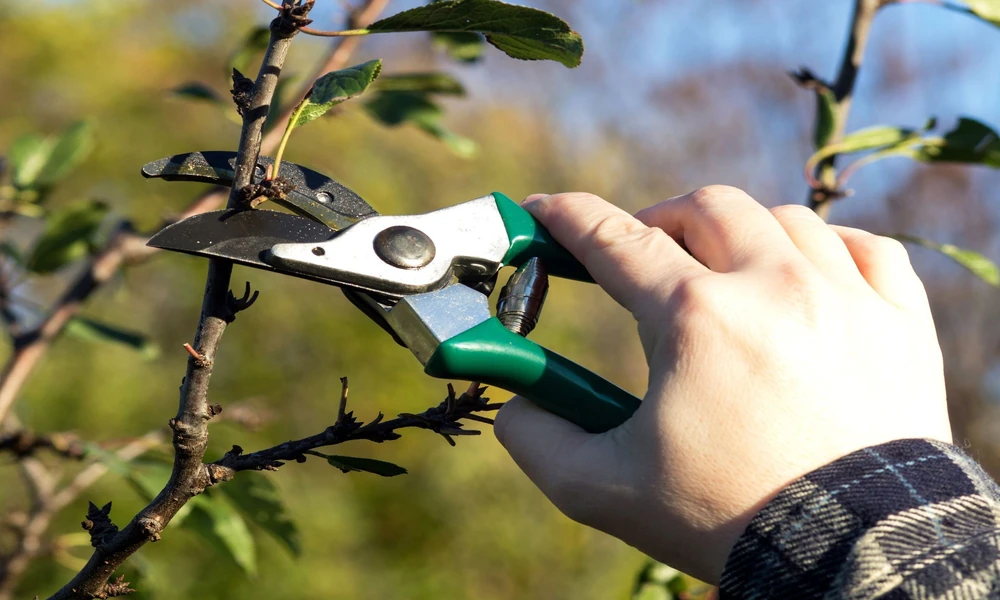
The practical answer is a written schedule. Each significant tree is recorded with its species, size and condition, and inspected at set intervals, with extra checks after severe weather. Pruning to remove dead wood, reduce end weight on long limbs and maintain clearances is then programmed around the findings. Engaging a tree pruning contractor singapore on a recurring basis keeps this routine consistent and builds a history for every tree, which is exactly the evidence an insurer or investigator will ask to see.
Legal Limits on What May Be Cut
Safety work has to respect the Parks and Trees Act. A tree with a girth above one metre that stands in a tree conservation area or on vacant land may not be felled without approval from the National Parks Board, and the maximum fine for a breach is $50,000. Where a tree is dying or presents an immediate danger, the law allows for prompt action, but owners should keep photographs and a written assessment to support the decision should questions be raised afterwards.
Safe Working Methods on Site
The cutting itself introduces risk if poorly managed. A proper operation begins with a risk assessment and a cordoned work zone, with signs and a lookout where the public passes nearby. Climbers use ropes, harnesses and helmets, and heavy sections are lowered on rigging lines instead of being dropped. Chippers and vehicles are positioned to keep access routes open. On commercial sites the contractor should also comply with the workplace safety and health requirements that apply to work at height.
Scheduling Around Occupants
Timing reduces exposure. In residential estates, work is best done on weekday mornings when fewer residents are about and cars can be moved from beneath the trees. Shops and offices may prefer early starts or weekends. Schools often reserve tree work for holidays. Advance notices to residents or tenants, stating the date, the areas affected and any parking restrictions, prevent most complaints and make it far easier for the crew to keep the public clear of the drop zone.
Responding After Storms
Severe weather is when most failures occur, and the hours afterwards carry their own risks. Hanging branches, split limbs and partly uprooted trees can give way without warning, so affected areas should be cordoned off until they have been inspected. Staff and residents should not attempt to pull down lodged branches themselves. A standing arrangement with a contractor who can attend at short notice shortens the period of exposure and avoids the scramble of finding help when every crew on the island is busy.
Ground-Level Hazards Count Too
Safety outdoors is not confined to what hangs overhead. Long grass conceals uneven ground, exposed roots, drain covers and occasionally snakes, and it gives mosquitoes sheltered places to rest. Fallen twigs and fruit make paths slippery after rain. Pairing canopy maintenance with a routine grass cutting service keeps sightlines open, surfaces visible and walking routes clear, so that the benefit of safer trees is not undone by neglected ground beneath them.
Building a Workable Safety Plan
For a single house, the plan can be as simple as an annual inspection and pruning as advised. For larger or busier sites it should name who is responsible, list the trees, set inspection intervals, define what triggers urgent action and record every visit. Review it whenever the site changes through new buildings, paving or altered traffic routes. The aim is not to remove every tree that could conceivably fail, but to show that reasonable care has been taken and acted upon.