
What New Residents Should Know About Living in Silver Lake, Los Angeles, CaliforniaKey Takeaways
- Silver Lake combines residential hillsides, older homes, apartments, local businesses, and outdoor gathering places.
- Daily convenience changes considerably by block, especially when hills, parking, traffic, and walking routes are involved.
- A home’s condition, street setting, and access to errands can matter as much as its interior finishes.
- Renters and buyers should visit at several times of day before making a decision.
Silver Lake offers a distinctive version of Los Angeles living: residential streets that can feel quiet and tucked away, paired with busy commercial corridors, hillside views, and a strong connection to outdoor space. It is a neighborhood where a short distance on a map can produce a very different routine, depending on street grade, parking access, and proximity to Sunset Boulevard or the reservoir.
For a closer look at housing styles and neighborhood considerations, Silver Lake Los Angeles real estate resources from Carolina Kramer provide a useful local overview. Carolina Kramer is a California-licensed real estate professional serving Los Angeles, and her Silver Lake guide covers the area’s homes, lifestyle features, and connections to nearby communities such as Los Feliz, Echo Park, and Atwater Village.
Start With Silver Lake’s Location and Layout
Silver Lake sits east of Hollywood and north of Downtown Los Angeles, near Echo Park, Los Feliz, Atwater Village, and East Hollywood. The neighborhood is shaped by the Silver Lake Reservoir, winding hillside streets, and major routes including Sunset Boulevard and Glendale Boulevard. Those physical features create distinct pockets rather than one uniform residential experience.
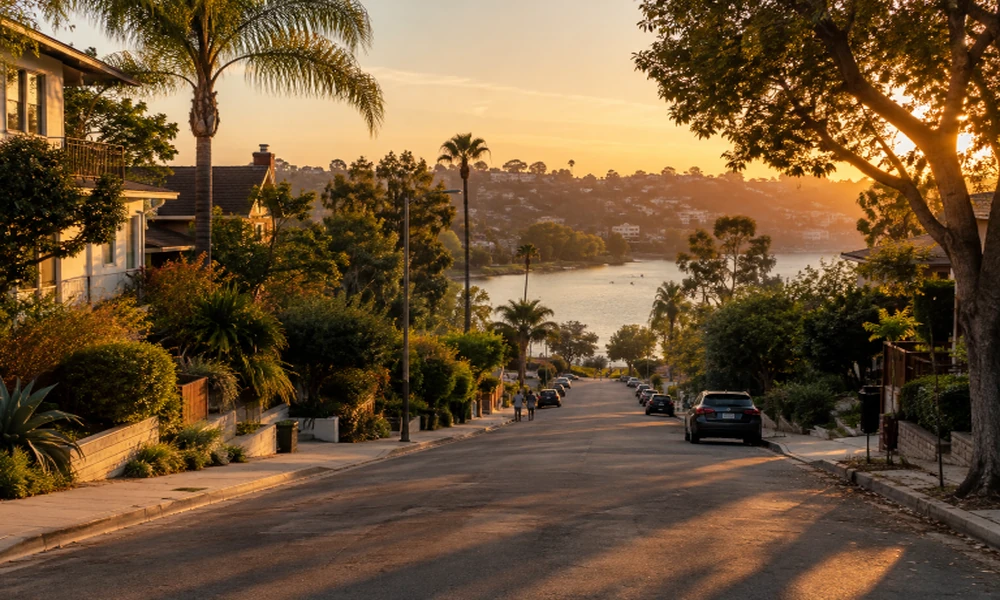
A home near Sunset Junction may make cafés, restaurants, small shops, and everyday errands easier to reach on foot. A home closer to the reservoir may place walking paths and open space nearer to the front door. Higher hillside locations can offer privacy and outlooks, but may also involve narrow streets, steep driveways, stairs, and more complicated guest parking.
Compare Residential Areas by Daily Routine
Near Sunset Junction
This area can suit residents who want frequent access to dining, coffee shops, retail, and neighborhood activity. The tradeoff may be more street activity, delivery traffic, and competition for curb parking. Visit in the evening and on weekends if noise and parking availability are priorities.
Near the Reservoir
Living near the reservoir can make it easier to build walks, runs, dog outings, and casual time outdoors into the day. Still, the route from a particular property matters. A nearby address can involve stairs, a steep hill, or an indirect walk, so test the path rather than relying on the map alone.
Hillside Streets and Major Roads
Hillside homes often have an individual character that is difficult to duplicate, including decks, mature landscaping, or broad views. They may also require closer attention to drainage, retaining walls, foundations, service-provider access, and wildfire preparedness. Homes along larger roads can simplify commuting and transit access, although traffic noise and pedestrian conditions deserve a careful review.
Know What Housing Can Look Like
Silver Lake housing includes Craftsman houses, Spanish-style residences, mid-century properties, duplexes, condominiums, apartments, and newer infill construction. Architectural character is part of the appeal, but it can also affect the scope of renovation, material choices, insurance considerations, and maintenance costs.
Do not confuse a polished kitchen or fresh paint with a fully updated property. Ask about the roof, electrical panel, plumbing, drainage, windows, foundation work, and any hillside improvements. For a purchase, review disclosures, permits, inspection findings, and estimates from appropriate specialists before removing contingencies. For a rental, ask what repairs the owner handles and how maintenance requests are managed.
Build a Budget Beyond Rent or the Purchase Price
A realistic Silver Lake budget should include more than the advertised monthly figure. Owners may need to account for property taxes, insurance, utilities, landscaping, pest control, roof upkeep, and periodic repairs. Renters should consider parking, utility responsibilities, renter’s insurance, move-in fees, and transportation costs.
- Confirm whether parking is included, assigned, permitted, shared, or entirely street-based.
- Estimate the cost of commuting at the times you will actually travel.
- Consider whether a hillside yard, deck, staircase, or older building system will require ongoing care.
- Compare current listings and recent local transactions instead of relying on older headlines or broad Los Angeles averages.
Test Walkability, Transit, and Errands
Walkability in Silver Lake is highly location-specific. A few blocks can separate an easy stroll to a market or café from a route with steep grades, limited sidewalks, or challenging crossings. Warm afternoons can also make a short uphill walk feel much longer than expected.
Before signing a lease or making an offer, walk to the places you expect to use regularly: grocery stores, coffee shops, parks, schools, fitness studios, bus stops, and any frequent work destinations. Silver Lake does not have its own Metro rail station, so residents who use transit should check current routes and times in Metro’s bus and rail schedules rather than assuming a nearby stop offers a practical commute.
Make Outdoor Space Part of the Decision
The reservoir area, public stairways, neighborhood streets, and nearby parks are central to how many residents experience Silver Lake. Outdoor access can be especially valuable for dog owners, runners, families, and people who work from home. It can also influence how often friends visit, how errands are planned, and whether a home feels connected to the neighborhood.
Future land use can affect that experience. Reviewing the Silver Lake-Echo Park-Elysian Valley Community Plan can help residents understand the broader planning context, adopted maps, and development framework affecting the area.
Review Street Safety and Neighborhood Change
Use an in-person checklist for every property under consideration:
- Visit during morning and evening traffic.
- Walk the nearest route to daily amenities.
- Check lighting, sidewalk conditions, crossings, visibility, and street width.
- Drive the route after dark and evaluate turns, driveway access, and parking.
- Look into nearby construction, zoning activity, or planned transportation changes.
New apartments and infill projects can create additional housing choices and support local businesses, while also changing parking patterns, traffic, and construction activity. Avoid assuming that an empty lot or low-rise building will remain unchanged. Public planning records and neighborhood meetings can provide useful context before a long-term commitment.
Questions to Ask Before Renting or Buying
- How long is the commute during peak travel hours?
- What is parking like for residents, visitors, and service providers?
- Have there been drainage, moisture, foundation, or roof issues?
- Which repairs were completed, and were permits obtained where required?
- What does the street feel like at night, during weekends, and after rain?
- Does the total monthly cost still work after utilities, insurance, maintenance, and transportation?
A Simple One-Day Silver Lake Test
Begin with an early visit, then return during commute traffic, walk to a daily errand, and come back after dark. If possible, visit again on a weekend. Write down practical benefits and drawbacks before comparing another home. That process helps distinguish a beautiful listing from one that genuinely supports your daily life.
Who May Enjoy Living in Silver Lake?
Silver Lake can be a strong fit for people who value neighborhood businesses, character-rich housing, outdoor routines, and access to central Los Angeles. It may be less comfortable for residents who need abundant easy parking, flat walking routes, or a highly uniform residential environment. The best choice is rarely about the neighborhood name alone. It is about finding the block, home, budget, and routine that work together.