
Altamonte Springs wears its water proudly. The Little Wekiva River threads through the city’s western edge, feeding Lake Lotus and its cypress-lined floodplain before continuing toward the Wekiva, while Cranes Roost and a chain of neighborhood lakes lend the suburb its glittering, lakefront character. It is a setting that draws residents outdoors and lifts property values. It also shapes the insects and rodents these same residents contend with indoors. City planners have spent decades reinforcing stormwater systems and guarding the Little Wekiva’s buffer zones against flooding, a reminder of just how thoroughly water defines daily life here.
In fact, water is the variable behind nearly every local infestation. Lakeside humidity, a high water table, and a summer cycle of daily downpours and the flooding that follows combine into conditions pests find irresistible. This is why a seasoned Altamonte Springs exterminator approaches a riverfront property differently than an inland one, treating nearness to water as a clue. The lessons below are worth learning before the next downpour.
Lesson One: Floodwater Relocates Pests
Homeowners often assume heavy rain washes pests away. The opposite usually happens. When the Little Wekiva swells, and yards saturate, ground-dwelling colonies are driven to higher, drier ground, and a warm, elevated house is the obvious destination. Watch for these post-storm arrivals:
- Fire ants. These bind into floating rafts and ride floodwater toward porches and patios.
- Earwigs and millipedes. These seek refuge along garages and door thresholds.
- Palmetto bugs. These are pushed up from saturated mulch and storm drains.
Each surge of water amounts to an eviction notice that sends pests hunting for new lodging.
Lesson Two: A High Water Table Keeps Termites Busy Year-Round
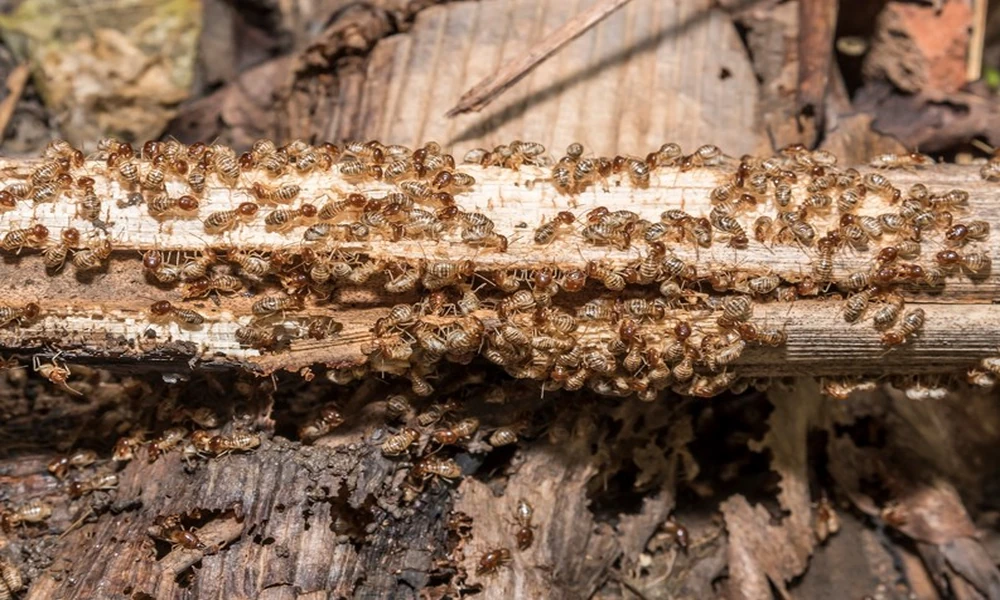
Subterranean termites depend on moisture, and a lakeside water table supplies it generously. Near the river and the lakes, soil rarely dries out completely, sparing termites the seasonal lull that limits them in drier regions. They tunnel from damp earth into floor joists and wall studs, and because the work unfolds out of view, many households discover the colony only after structural wood has weakened. Carpenter ants and other moisture-seeking insects exploit the same damp framing, often appearing first as scouts in kitchens and baths. Given these conditions, scheduling a yearly inspection is part of responsible homeownership.
Lesson Three: Stormwater Systems Are Rodent Highways
The drainage network that shields Altamonte Springs from flooding also acts as a sheltered transit system for rats and mice. Storm pipes, retention ponds, and canal banks let rodents travel unseen between properties, emerging through gaps around utility lines and foundation vents. Riverbank vegetation deepens the cover further. Once inside, they nest in insulation, gnaw wiring, and multiply at an alarming rate, which is why sealing entry points matters as much as removing the rodents already present.
Lesson Four: Standing Water Is Never Truly Idle
Mosquitoes need little water to breed. In fact, a clogged gutter or a forgotten saucer will serve. In a city ringed by lakes and laced with retention ponds, this potential lurks everywhere, and the wetlands along the Little Wekiva stretch the breeding season past summer. An upturned toy, a sagging tarp, or a low spot in the lawn can cradle enough water to matter. Eliminating these hidden reservoirs does more to curb bites than any amount of fogging, because the problem usually begins in the yard.
Turning the Climate into an Advantage
Sensible defenses, such as clearing gutters, grading soil away from the foundation, ventilating crawlspaces, and scheduling routine inspections can go a long way toward keeping a lakefront home comfortable. Avata Pest Control has earned its standing among local homeowners through uncommon transparency, sending photos of what was treated and found after every visit so nothing is left to guesswork. The company stands behind its work with complimentary return treatments whenever pests come back between regular services, sparing residents the frustration of a recurring problem.