
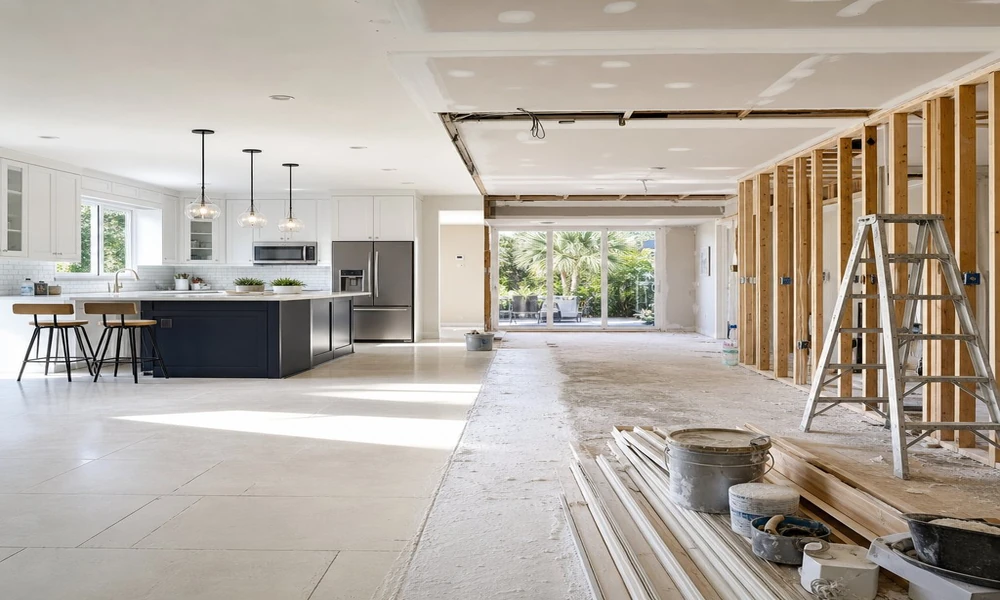
Many homes built in the 1970s or 1980s feel cozy and lived-in and certainly have plenty of history behind them. But the older a house gets, the more likely it is to fail when you least want it to. Whether it’s an old roof, drafty windows, a bathroom with moisture damage or an old-fashioned electrical panel, these issues take on new urgency as the hurricane season gets closer (check this) and there’s a cap on how much you can spend.
For anyone who wants to live in their home during a remodel, the question isn’t just what needs upgrading, but what needs to happen now versus later, and how do you manage your day-to-day routine while the construction crews are hard at work?
The Priorities: Making the Outside Better Than the Inside
A new kitchen is great, but impact-resistant windows and doors might be a better choice for what needs to be done first, especially if your existing windows aren’t up to code. This is particularly relevant when you’re working with a limited budget. Replacing cabinet hardware or countertops, for example, might make the inside of the house look better, but leave the outside of the house vulnerable. If you don’t have the money to replace all of the windows, at least compare the cost of doing the work in phases versus the cost of approved shutters or other ways to protect your openings. You’ll find that some items are higher priority than others, and the priority list might look something like this:
- Protect the roof, windows, doors and garage door.
- Fix any active leaks or water damage.
- Address any electrical or plumbing hazards.
- Then replace flooring, fixtures, finishes, etc.
It might not be the most photogenic renovation project, but at least you won’t have your new countertops ruined by a leak.
Impact-resistant windows protecting a Broward County home
Let the Roof Make the Call
Depending on the condition of the roof, it might determine the timeline for the rest of the house. If it’s near the end of its useful life, or if it’s starting to leak, or if it’s been patched multiple times, the ceiling work and drywall might have to wait until the roof is in good shape. Roofs require more scheduling, permits, materials, inspections and coordination with the weather than most of the other projects on the list. And the closer you get to hurricane season, the less time you’ll have to work around them. When remodeling broward county houses from the 1970s and 1980s, it’s a good idea to have the roof looked at, even if you weren’t planning to replace it.
Sometimes the roof just needs repairs to be done, and if that’s the case, great. But if the roof does need to be replaced, it’s better to know that now than after you’ve spent your contingency money on new tile, refrigerators or pendant lights.
Choose Materials That Can Take the Heat (and Moisture)
South Florida humidity doesn’t play nice with certain materials that work just fine in dryer climates. In particular, think about what types of materials you’re putting in the bathrooms, laundry room or rooms near exterior doors. Some things to think about include:
- Using moisture-appropriate backer board in wet areas.
- Finishes that hold up to moisture.
- Durable flooring.
- Cabinetry that can stand up to occasional moisture without warping.
- Proper ventilation.
Even if you replace your bathroom with the best materials available, if your exhaust fan is too small or poorly placed, the humidity will still cause paint to peel or mildew, as you can read at www.cdc.gov/mold-health, to grow.

Moisture-resistant bathroom materials and proper ventilation
Make sure you have enough contingency money for the unexpected. Often when you pull an old vanity or a shower surround out, you’ll see soft drywall, rusted hardware or previous repairs that looked great but weren’t structural. The contingency fund helps turn those kinds of surprises into minor setbacks instead of major budget busters.
Leave One Room Intact
If your whole house is gutted, living there during a remodel can be really tough. Families should always have at least one functioning bathroom, somewhere to prepare food, working air conditioning and clear pathways throughout the house.
Build Your Timeline Around What Needs to Be Done Now
When the hurricane season is approaching, an older home in Broward County may not need to get everything you’d like it to get right away. It needs to get the right things done first. Start by dealing with leaks, safety issues, and anything that requires permits. Make sure you save some money for potential issues that you find once you start tearing things apart. Allow for time between projects to make sure you don’t get behind on permits. Preserve as many livable spaces as you can. Eventually, you’ll get to the more cosmetic stuff, and you’ll be happy you got the important things done first.