
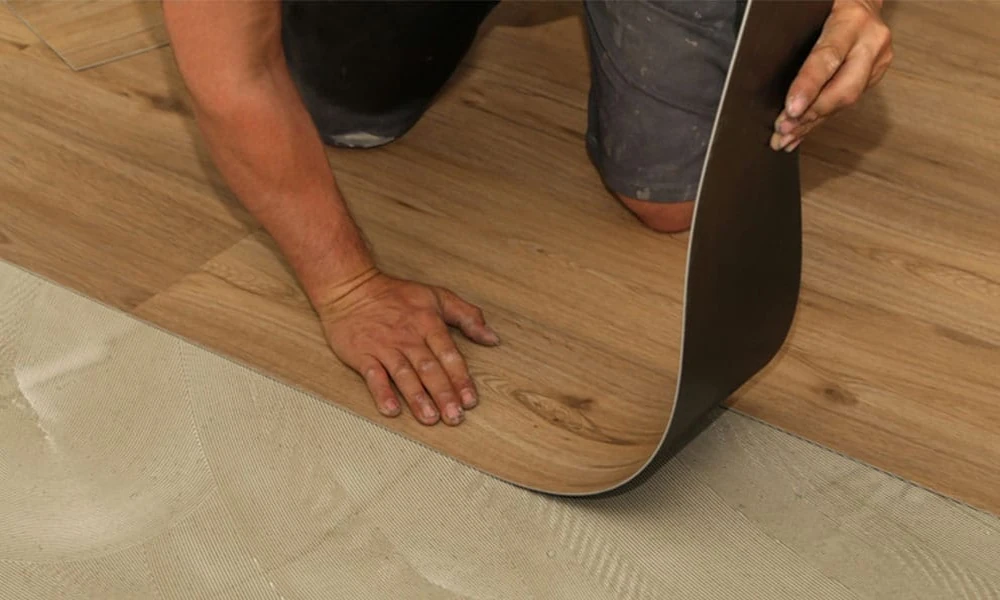
Rip up your old floors, or simply lay new vinyl right on top? This is the question faced by homeowners and renovators alike. It sounds almost too good to be true: skip messy demolition, save some cash, and transform your space with minimal downtime. But can you really install vinyl flooring over existing surfaces without running into trouble?
Understanding Vinyl Flooring Types and Their Installation Requirements
Not all vinyl flooring is created equal. The market offers several options, including luxury vinyl tile (LVT), traditional vinyl planks, and stone plastic composite (SPC) flooring. Among these, SPC flooring has surged in popularity for its sturdy, waterproof core and easy installation.
The thickness and material of your vinyl flooring can make a big difference when installing over an old surface. Thicker planks or tiles (think 5.5 mm and above) are better at masking minor imperfections in the subfloor, while thinner options might telegraph bumps and dips over time. Brands like Club Ceramic spc flooring offer a range of thicknesses, making it easier to match the right product to your project.
Common Existing Surfaces: Compatibility and Challenges
Laying new vinyl over an existing floor can be a shortcut or a headache, depending on what’s already under your feet.
Installing Over Wood Flooring: Risks and Benefits
Hardwood or engineered wood provides a stable base for most vinyl products, provided the planks are level and well secured. Squeaky boards, water damage, or uneven areas should be repaired first. If moisture is an issue, choose a waterproof vinyl or add a moisture barrier.
Installing Over Tile: What to Expect
Ceramic or porcelain tile can work as a base, but grout lines pose a challenge. If they’re deep, the pattern might eventually show through thinner vinyl. Self-leveling compound can help smooth things out, but thicker SPC or LVT planks will also minimize telegraphing.
Installing Over Concrete: Key Considerations
Concrete is a favorite subfloor for vinyl, but it must be clean, dry, and crack-free. Moisture is the biggest threat here, as trapped water vapor can warp the vinyl or create mold. Vapor barriers, especially in basements, are a smart investment.
Installing Over Carpet: Why It’s Usually Not Recommended
Vinyl and carpet do not mix well. Carpet is too soft and compressible, causing vinyl to flex, shift, or even break at the seams. The result? Floors that feel spongy and quickly lose their good looks. Always remove carpet and underpad before laying vinyl.
Methods for Installing Vinyl Flooring Over Existing Surfaces
Vinyl can be installed as a floating floor (click-lock planks that snap together and “float” over the base) or glued down for extra stability. Floating floors are easier and less messy, while glue-down methods work well for commercial spaces or areas with heavy foot traffic.
Preparation is everything. Sweep, scrub, and level the existing floor. Fill holes, sand down high spots, and let surfaces dry completely. Underlayment can help with minor imperfections, moisture protection, and added comfort, but isn’t required for all products. Always check manufacturer guidelines.
Potential Problems and How to Avoid Them
Even the sturdiest vinyl can buckle under pressure if the prep work is sloppy. Uneven floors lead to wobbly planks and noisy spots. Moisture sneaking up from below can result in curling or mold. Adhesion issues often trace back to dust, grease, or loose debris that was never cleaned away.
Comparing Direct Installation vs. Removing Existing Flooring
Is it really worth skipping removal? Here is a quick look at the tradeoffs:
| Factor | Direct Installation | Remove Old Flooring |
|———————–|———————–|————————-|
| Time | Fast | Slower |
| Cost | Lower | Higher (labor, disposal)|
| Mess | Minimal | Dusty, disruptive |
| Potential Issues | Higher risk of problems| Fewer long-term issues |
| Floor Height | Increases | Stays the same |
| Eco-Impact | Less waste | More landfill |
Direct installation is quick and economical, but sometimes, starting fresh yields better results, especially if the old floor is damaged or unstable.
Troubleshooting Common Issues After Installation
Sometimes, vinyl shows bubbles, warping, or lifting at the seams. These problems often stem from poor surface prep or hidden moisture. Minor gaps or bubbles can sometimes be fixed with rolling or resealing, but large-scale issues may require partial plank replacement. Vinyl planks are generally easy to swap out without tearing up the whole floor.
Expert Tips for a Successful Vinyl Flooring Installation Over Existing Floors
Pros agree: meticulous prep is key. Use a long straightedge to check for levelness, choose underlayment wisely, and do not skimp on cleaning. Invest in a reliable utility knife, tapping block, and spacers for floating installs. If the scope feels daunting, complex patterns, tricky subfloors, or moisture uncertainty, calling in a pro can save money (and headaches) in the long run.
Final Assessment: Is Installing Vinyl Flooring Over Existing Surfaces Right for You?
The convenience of installing vinyl over old floors is hard to beat. Yet, shortcuts now might lead to costly repairs later. Here is a quick checklist to help decide:
– Is the existing floor dry, level, and stable?
– Are you using a thick enough vinyl to mask small flaws?
– Can you live with slightly higher floors (and potential trim adjustments)?
– Do you have the patience for thorough prep?
– Will removing the old floor prevent future headaches?
When in doubt, consult a flooring specialist and consider products like Club Ceramic spc flooring for flexible, durable solutions. With the right approach, vinyl can refresh your space without unnecessary hassle.