
Historical Context of Asbestos in Popcorn Ceilings
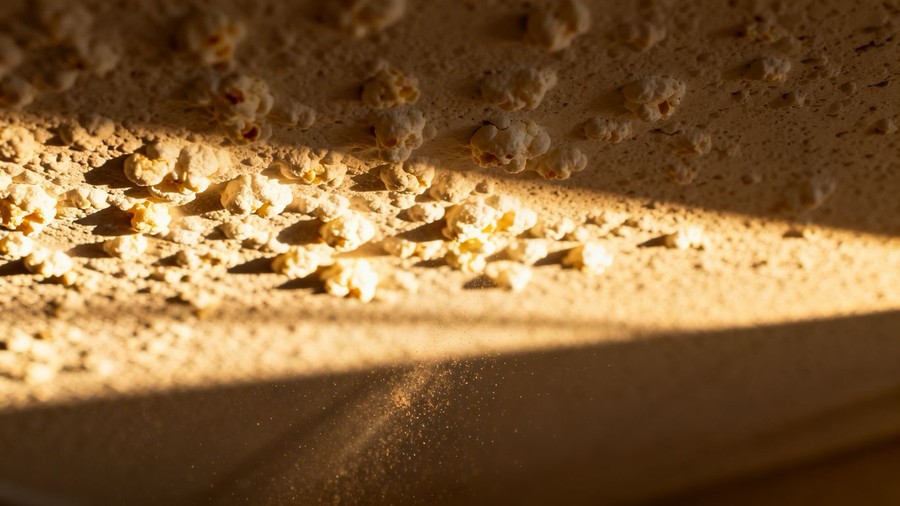
Popcorn ceilings, also known as acoustic ceilings, were a popular choice for homeowners from the mid-1940s through the 1980s. This textured finish was favored for its ability to mask imperfections in drywall and its sound-dampening qualities. During this era, asbestos was a common additive in many building materials due to its fire resistance and insulating properties. It is estimated that homes built before 1980 have a significant chance of containing asbestos in their popcorn ceilings. The widespread use of asbestos in these applications means that many older homes may still harbor this hazardous mineral.
Why Asbestos Was Incorporated Into Popcorn Ceilings
Asbestos was added to popcorn ceiling texture mixes for several practical reasons. Its fibrous nature helped create the distinctive texture, while its heat resistance and insulating capabilities were seen as beneficial. Manufacturers also found it to be an inexpensive additive that improved the material’s performance. The goal was to create a durable, aesthetically pleasing, and cost-effective ceiling finish. However, the long-term health consequences associated with asbestos exposure were not widely understood or disclosed at the time of its common use.
The Prevalence of Asbestos in Popcorn Ceilings by Construction Year
The likelihood of asbestos being present in popcorn ceilings is directly tied to the construction date of a home.
- 1945-1970s: This period saw the peak popularity of asbestos-containing popcorn ceilings. It was standard practice to include asbestos in the mixture.
- Early 1980s: While still present, the use of asbestos in building materials began to decline due to growing awareness of its health risks. Some products manufactured during this time may still contain asbestos.
- Mid-1980s onwards: The U.S. Environmental Protection Agency (EPA) banned most asbestos-containing products in 1978, and subsequent regulations further limited its use. Popcorn ceiling textures manufactured after this period are generally asbestos-free. However, it is always safest to assume asbestos is present until testing confirms otherwise.
If your home was built within these earlier timeframes, it is prudent to consider the possibility of asbestos in your popcorn ceiling.
Identifying Potential Asbestos Exposure Risks
Common Scenarios Leading to Asbestos Disturbance
Many homeowners may unknowingly disturb asbestos-containing materials in their homes, leading to potential exposure. The most common trigger for asbestos fiber release is any activity that disrupts the ceiling material. This can include:
- Home Renovations: Projects like scraping, sanding, or drilling into popcorn ceilings, especially during renovations or when installing new light fixtures or ceiling fans, can release microscopic asbestos fibers into the air. These fibers are so small they cannot be seen, smelled, or felt.
- Water Damage: Leaks from roofs or plumbing can saturate popcorn ceilings. As the material dries, it can become brittle and begin to flake off, releasing asbestos fibers into the living space. This is particularly concerning as it can happen passively over time.
- Aggressive Cleaning: While less common, vigorous cleaning methods, such as scrubbing or using high-pressure sprays on popcorn ceilings, can also disturb the material and lead to fiber release.
The Impact of Water Damage on Asbestos Ceilings
Water damage presents a unique and often overlooked risk when it comes to asbestos in popcorn ceilings. When moisture penetrates the ceiling material, it can weaken the binding agents holding the texture together. As the affected areas dry, the material may become crumbly and prone to breaking apart. This process can lead to the passive release of asbestos fibers into the air without any direct human intervention. A leaky roof or plumbing issue, therefore, can turn a previously stable asbestos-containing ceiling into an active source of airborne fibers. This gradual deterioration means that even minor water intrusion events should be addressed promptly to prevent potential long-term exposure risks.
Risks Associated with Home Renovations and DIY Projects
Home renovations and do-it-yourself (DIY) projects are significant contributors to asbestos exposure incidents. Many older homes still feature popcorn ceilings that may contain asbestos. When homeowners undertake projects without understanding the potential presence of this hazardous material, they risk disturbing it. Activities such as:
- Scraping or Sanding: Attempting to remove the popcorn texture by scraping or sanding can aerosolize asbestos fibers, creating a significant inhalation hazard.
- Drilling: Drilling holes for new light fixtures, ceiling fans, or other installations directly into an asbestos-containing ceiling can release concentrated puffs of fibers.
- Demolition: Any form of demolition or removal of the ceiling material without proper containment and safety protocols can lead to widespread fiber contamination.
It is critical for homeowners to assume that any popcorn ceiling installed before the mid-1980s may contain asbestos and to take appropriate precautions. Without professional testing, visual identification is impossible, making any renovation work on such ceilings a potential exposure event.
Health Implications of Asbestos Exposure
Understanding the Latency Period of Asbestos-Related Diseases
It is important for homeowners to understand that the health effects of asbestos exposure do not typically appear immediately. There is a significant latency period, which means a considerable amount of time can pass between the initial exposure and the onset of symptoms. This period can range from 10 to 50 years. This extended timeframe means that individuals who may have disturbed asbestos-containing materials decades ago could only begin to experience health issues much later in life. This makes it challenging to directly link current health problems to past exposures without a clear history of asbestos presence and disturbance.
Serious Health Conditions Linked to Asbestos Inhalation
When asbestos fibers are inhaled, they can become lodged in the lungs and other tissues, leading to severe and often fatal diseases. The primary health concerns associated with asbestos exposure include asbestosis, lung cancer, and mesothelioma. Asbestosis is a chronic lung disease that causes scarring of lung tissue, making breathing difficult. Lung cancer risk is significantly increased in individuals exposed to asbestos, even in those who have never smoked. Mesothelioma is a rare but aggressive cancer that affects the lining of the lungs, abdomen, or heart, and it is almost exclusively caused by asbestos exposure. The microscopic nature of asbestos fibers means they can easily penetrate deep into the respiratory system, causing irreversible damage over time. For more detailed information about these health impacts, you can refer to resources on asbestos lung disease.
The Absence of a Safe Exposure Level for Asbestos
Scientific and health organizations worldwide have concluded that there is no known safe level of asbestos exposure. Even minimal exposure to asbestos fibers can pose a health risk. This means that any situation where asbestos-containing materials are disturbed and fibers become airborne carries a potential danger. Therefore, the most effective approach to protecting health is to prevent exposure altogether. This underscores the importance of professional assessment and management when dealing with suspected asbestos-containing materials, such as those found in older popcorn ceilings. Taking precautionary measures is key to safeguarding your family’s health.
Detecting Asbestos in Popcorn Ceilings
The Impossibility of Visual Identification
It is simply not possible to determine if a popcorn ceiling contains asbestos just by looking at it. The asbestos fibers are microscopic, far too small to be seen with the naked eye. This means that asbestos-free popcorn texture looks identical to popcorn texture that does contain asbestos. Relying on visual cues alone is not a reliable method for identifying asbestos. If your home was built between 1945 and 1990, it is wise to assume the presence of asbestos until testing proves otherwise. The age of your home is the most significant indicator; older homes are far more likely to have used asbestos-containing materials in their construction.
Professional Laboratory Testing Methods
The only way to definitively know if your popcorn ceiling contains asbestos is through professional laboratory testing. Certified laboratories employ specific methods to analyze samples. The most common technique is Polarized Light Microscopy (PLM). This method allows trained technicians to identify and quantify asbestos fibers within a material sample. When professionals collect samples, they typically use a wet sampling technique to minimize fiber release. This involves dampening the area before scraping to keep any potential fibers from becoming airborne. They will collect material from several different spots in the ceiling to ensure accurate results. These samples are then sealed in separate bags and sent to the lab for analysis. This rigorous process is the only way to get a conclusive answer about asbestos content.
Cost Considerations for Asbestos Testing
While the cost of asbestos testing can vary, it is generally considered an affordable step for peace of mind. The price for testing a popcorn ceiling typically ranges from $20 to $100 per sample. This cost often depends on the laboratory’s location, their specific pricing structure, and how many samples are submitted. It is important to remember that this expense is a small price to pay for the health and safety of your household. When considering the potential health risks associated with asbestos exposure, investing in professional testing is a prudent decision. Many homeowners find that the cost is well worth the certainty it provides, especially before undertaking any renovations or if water damage has occurred. For more information on asbestos safety, resources are available to help homeowners understand the risks and proper procedures for containing fibers.
Managing Asbestos in Popcorn Ceilings
Professional Assessment and Safe Removal Procedures
If you find out—or even just suspect—that your popcorn ceiling contains asbestos, the smartest first move is to bring in a professional. It’s not just about safety; it’s often the law in many states. Licensed asbestos abatement experts know exactly how to handle the material so no fibers get loose into your living space. The process usually goes like this:
- The area is sealed off to keep dust contained.
- Workers wear protective suits and gear before carefully wetting the ceiling, keeping particles from going airborne.
- The material is scraped and collected into sealed bags for disposal.
- Everything, from plastic sheets to mop water, is handled and removed according to safety rules.
If you try doing this yourself, there’s a real chance you’ll make the hazard much worse for you and everyone else in the house.
Encapsulation as an Alternative to Removal
Sometimes, removing the popcorn texture isn’t the best approach. In many cases, encapsulation—which means covering or sealing the asbestos in place—can be a safer, simpler choice. A professional applies a special coating over the ceiling so the asbestos fibers stay put and don’t get into the air. This can work well if the ceiling is still in good shape and you’re not planning on renovations soon. The downside? The asbestos stays there, just hidden away. So if you change your mind years from now and want to remodel, you’ll face the removal process again.
The Importance of Hiring Licensed Professionals
This is one of those jobs you really shouldn’t hand off to just anyone. Even if you’re usually a DIY type, asbestos is in a whole other league. Here’s why it matters to call a pro:
- Licensed contractors have special training in asbestos handling and safety.
- They bring in equipment most folks don’t have, like HEPA vacuums, full-body suits, and air testing kits.
- Rules about asbestos disposal are strict, and pros know the right places and paperwork.
- Most homeowner’s insurance requires proof that work met legal standards—something only a licensed, certified abatement company can provide.
In short: when it comes to asbestos in popcorn ceilings, playing it safe and going with an expert isn’t just smarter—it’s often required by law.
Legal and Financial Aspects of Asbestos Management
Dealing with asbestos in popcorn ceilings is stressful enough for any homeowner, but the legal and financial side can add another layer of worry. Laws about asbestos are strict, and the costs are not always clear until you start getting quotes. Let’s get into how these things play out if you suspect or know your ceiling contains the stuff.
Navigating Federal and State Asbestos Regulations
The government requires that anyone handling asbestos follows specific rules for safety and disposal. The Environmental Protection Agency (EPA) has set standards that cover removal, disposal, and who can do the work. Many states have their own requirements too, sometimes even stricter. For most homeowners, this means:
- Only licensed contractors are allowed to do removal or repair work involving asbestos.
- Worksites must follow approved containment methods to prevent dust from escaping.
- Paperwork, such as manifests showing where the waste goes, is required by law.
If you’re not sure if your home has asbestos, it’s smart to get an asbestos survey done. A licensed professional can handle this, and it’s actually required before starting renovation in many areas. More details on how this works can be found discussing the value of a professional asbestos survey here.
Understanding Homeowner’s Insurance Coverage
Most people expect that big home repairs will be covered by insurance, but with asbestos, it’s rarely that straightforward. In reality, many homeowner’s insurance policies specifically exclude asbestos-related issues and removal. You might find that:
- Claims tied to asbestos discovery or removal are not accepted.
- Sudden damages like a water leak might be covered, but not the asbestos cleanup itself.
- You’ll pay for professional abatement and any resulting repairs out of pocket.
Reading the fine print of your insurance policy before you start any work is the best way to avoid unpleasant surprises.
Proper Disposal Requirements for Asbestos Waste
Throwing asbestos-contaminated debris in your regular garbage is never allowed. Instead, there are strict requirements for how and where this kind of waste can be disposed of:
- Asbestos waste must go to approved landfills that accept hazardous material.
- Debris needs to be carefully bagged, labeled, and transported by licensed carriers.
- Documentation usually accompanies every step, from your home to the disposal site.
Potential Fines for Improper Handling and Disposal
The penalties for breaking asbestos laws are serious, and rightfully so. DIY attempts to remove asbestos can result in fines up to $25,000 per day if regulations are broken. Some examples include:
- Removing materials yourself instead of hiring certified professionals.
- Failing to use proper containment or warning signs during a project.
- Disposing of asbestos waste with household trash or improper labeling.
Financial help sometimes exists through grants or local programs, but getting professional guidance upfront is the safest bet. Ultimately, ignoring the rules or cutting corners can be much more expensive—both for your wallet and your health.