
A mature tree adds shade, value and character to a property. Beneath the surface, though, it is also a patient and determined searcher of water. When that search leads towards a buried pipe, the result can be a leak that you never see, hear or smell until the damage is well advanced. Understanding how roots and pipes interact can help you spot trouble early and decide what to do about it.
Why Roots Are Drawn to Pipes
Roots grow towards moisture and nutrients. A pipe carrying water, even one with a tiny weep at a joint, releases vapour into the surrounding soil and creates a damp zone that roots can sense. Once a root finds that zone, it follows the moisture back to its source.
This is why the problem often starts with a very small defect. A hairline crack or a slightly loose joint is enough of an invitation. The root enters, grows inside the pipe and gradually widens the opening.
How Root Intrusion Develops
Intrusion rarely happens overnight. It tends to follow a slow pattern:
- A small defect lets moisture escape into the soil.
- Fine roots grow towards that moisture and wrap around the pipe.
- Roots push into the joint or crack and thicken over time.
- The opening widens, the leak grows and pressure drops.
- In drainage lines, roots catch debris and cause blockages as well.
Older pipes made from clay, concrete or brittle plastics are especially vulnerable, as their joints are more likely to have gaps to begin with.
Signs That Roots May Be Involved
Because the problem is buried, the evidence is indirect. Keep an eye out for:
- A water meter that moves when everything is switched off
- A bill that rises without a change in household habits
- Damp, sunken or unusually green patches of lawn near a tree
- Slow drains, gurgling sounds or recurring blockages
- Reduced water pressure at taps
- Cracked paving or paths close to large trees
A single sign may have another cause. A cluster of them near a tree is a stronger hint.
What a Root-Related Leak Can Do
The water lost is only part of the problem. A leak near a tree can soften soil, wash away fine material and leave voids beneath paths and slabs. Roots themselves can lift paving and push against walls. If the damaged pipe runs close to the house, the extra moisture can affect footings and encourage damp in the sub-floor area.
Repairs also get more complicated the longer the problem continues. A small joint repair can turn into a pipe replacement once roots have grown through a long section of line.
Finding the Leak Without Digging Up the Garden
Trying to locate a buried leak by digging near a tree is risky. Excavation can damage the very roots that keep the tree stable, and water often surfaces some distance from the real break. This is why accurate location matters.
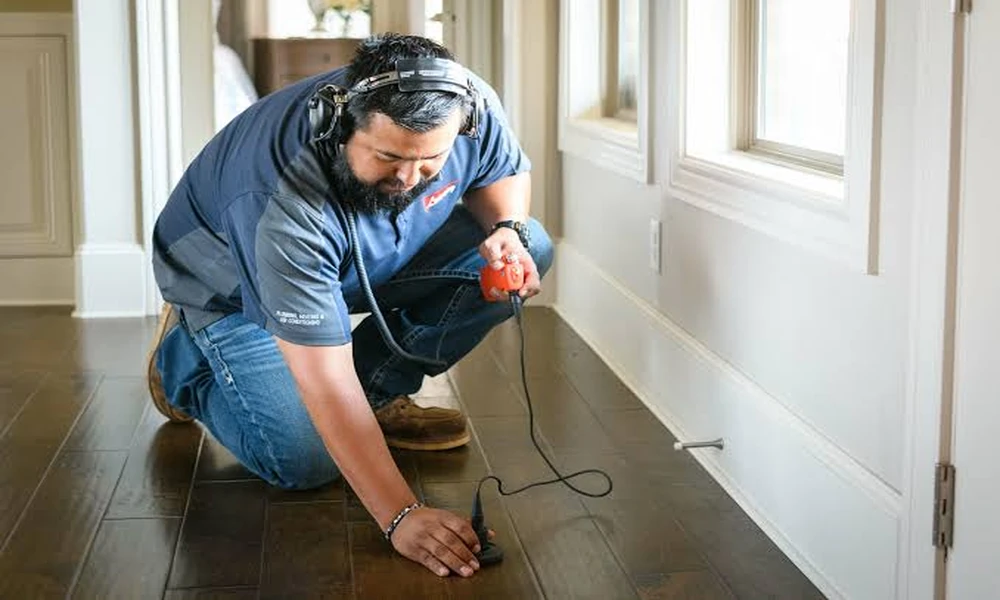
Professional underground water leak detection services use acoustic listening equipment and pipe tracing to find the source of a leak without opening up large areas. The technician can narrow the problem to a small, precise dig point, which means less disturbance to the root zone and a more predictable repair.
When the Leak Is Closer to the House
Tree roots do not stop at the boundary of the garden. In some properties, roots travel towards the building and affect pipes in the sub-floor area or near the foundation. If you notice damp smells, soft floorboards or moisture inside the home after you have ruled out the yard, under house water leak detection can check the space beneath the building and locate leaking pipes before they cause rot or mould.
Repair Options to Discuss
Once the leak is located, there are usually several ways forward, depending on the pipe material, the size of the damage and the location of the tree:
- Spot repairs to replace a short damaged section
- Pipe relining or replacement for longer affected runs
- Rerouting the pipe away from the tree
- Root barriers or selective root management in some situations
A reputable plumber can explain which approach suits your property. In some cases, a tree specialist should be consulted so that any root work does not compromise the tree’s health or stability.
Preventing Problems Before They Start
Prevention is about planning and awareness. If you are planting new trees, choose species and positions that keep a sensible distance from pipes and drains. Check the mature size of the tree, not just how it looks in the pot. For existing trees, monitor your water meter now and then, and pay attention to changes in lawn condition or drainage.
Regular checks cost very little compared with a major repair, and they give you the chance to act while the fix is still simple.
Final Thoughts
Trees and plumbing can share a property, but they need some careful management. Roots are persistent, and small pipe defects give them the opening they need. By watching for warning signs, locating leaks accurately and planning around mature trees, you can protect both your pipes and your garden without guesswork.