
Table of Contents
-
What As-Is Means in Charlotte
-
How the Charlotte Market Affects As-Is Sales
-
Why Homeowners Sell As-Is
-
North Carolina Disclosure Duties
-
Ways to Sell an As-Is Home
-
Pricing and Repairs
-
Comparing Offers
-
Sale Checklist
-
Frequently Asked Questions
Selling a Charlotte home as-is can be a practical choice when repairs feel overwhelming, a move is approaching, or an inherited property needs a clear path forward. Homeowners evaluating a direct-sale route may begin by reviewing options from Fast Fwd House Buyers, then comparing that approach with listing through an agent or selling independently.
An as-is sale does not have to mean accepting the first offer or leaving important details to chance. The best outcome usually comes from understanding the property’s condition, setting realistic expectations, comparing written terms, and protecting your interests throughout the closing process.
In Charlotte, condition can affect both the buyer pool and the type of financing a buyer can use. A home with an older roof, crawl-space moisture, dated wiring, or a nonworking HVAC system may still sell, but buyers will likely factor in the cost, uncertainty, and time needed for repairs when making their offers.
Local conditions also matter. A well-located property near employment centers, transit, schools, or established neighborhoods may draw attention even when it needs work. Still, neighborhood-level comparable sales are more useful than a citywide average when deciding what a particular property may realistically command.
Homeowners who want to explore a simplified sale process can visit https://fastfwdhousebuyers.com/ and obtain independent opinions on value, repairs, and likely net proceeds.
What As-Is Means in Charlotte
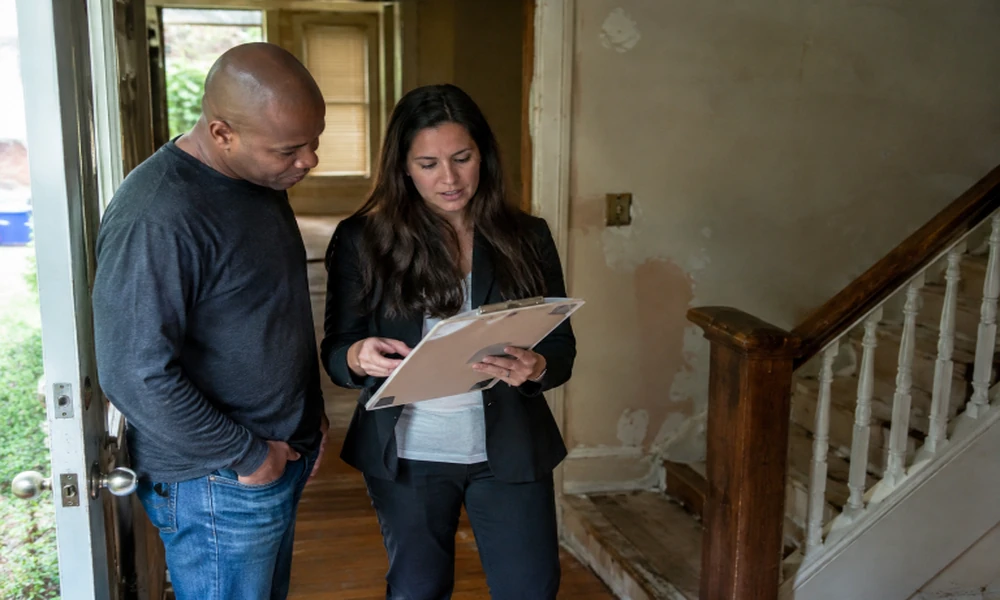
As-is generally means the seller does not promise to complete repairs before closing. It does not mean buyers must purchase without inspections, nor does it prevent them from negotiating for a lower price, a credit, or other contract changes. A buyer may inspect the home during due diligence and decide whether its condition fits their plans.
The phrase can work differently depending on the sale method. An MLS listing may receive inspection-related requests after an offer is accepted. A for-sale-by-owner transaction requires the owner to manage those conversations directly. A direct buyer may make an offer after evaluating the home in its current condition, often with fewer showings and less preparation.
How the Charlotte Market Affects As-Is Sales
Market pace influences how much flexibility a seller may have. When buyers have more homes to compare, presentation, price, and repair needs can become more important. Homes in excellent condition may appeal to a wider group of financed buyers, while major deferred maintenance can narrow the audience to buyers with renovation experience, cash, or strong repair financing.
Rather than relying on a broad median price, review recent sales of similar homes in the same area. Compare square footage, lot size, age, layout, parking, renovation level, and visible condition. A nearby renovated sale is useful context, but it is not a direct match for a house with a leaking roof or outdated systems.
Why Homeowners Choose to Sell As-Is
Charlotte owners choose an as-is sale for many reasons. Common situations include inherited homes, vacant properties, rental houses with ongoing maintenance, job relocation, divorce, estate settlement, and properties needing expensive roof, plumbing, electrical, foundation, or HVAC work. Some owners have the funds for repairs but do not have the time or desire to coordinate contractors, permits, cleanup, and repeated showings.
North Carolina Disclosure Duties
Selling as-is is not a license to misrepresent known issues. Most residential sellers of one- to four-unit properties must provide disclosure forms, subject to limited statutory exceptions. The Residential Property and Owners’ Association Disclosure Statement addresses property and association-related information, while North Carolina also uses a mineral and oil-and-gas rights disclosure form.
Keep organized records for roof repairs, water intrusion, insurance claims, inspections, contractor estimates, permits, termite treatment, association dues, and special assessments. If ownership, probate, liens, title questions, or disclosures are unclear, speak with a North Carolina real estate attorney before signing a contract.
Ways to Sell an As-Is Home
List With a Real Estate Agent
An agent can market the property broadly, coordinate photography, and help interpret local comparable sales. However, sellers may still need to clean, allow showings, and navigate inspection negotiations. Financing buyers can also face lender or appraisal concerns when a property has significant safety or condition issues.
Sell by Owner
For-sale-by-owner sellers control the process and may avoid some listing-related costs. In exchange, they handle pricing, marketing, buyer inquiries, showings, negotiations, and contract coordination. Weak paperwork or an unrealistic asking price can create avoidable delays.
Consider a Direct Sale
A direct buyer may evaluate the property in its present condition and offer a shorter, simpler process. That convenience can mean fewer repairs and showings, but the offer may be lower than the potential retail price of a renovated home. Request written terms and compare the amount you expect to keep, not just the headline offer.
Pricing and Repairs
Start with recent comparable sales, then adjust for condition and repair needs. Account for mortgage payments, taxes, insurance, utilities, lawn care, and other holding costs if the property will remain unsold for several months. The highest offer is not always the strongest if it has broad cancellation rights, a weak financing position, or a closing date that does not work for you.
Prioritize active leaks, unsafe electrical conditions, serious plumbing failures, standing water, broken steps, and damaged railings. Large cosmetic projects, luxury finishes, full kitchen remodels, and high-end landscaping may not return their full cost. A pre-listing inspection can help separate urgent problems from updates that can simply be reflected in the price.
Comparing Cash and Financed Offers
-
Compare estimated net proceeds after credits, fees, payoffs, and closing costs.
-
Ask for proof of funds or lender approval.
-
Review inspection, due diligence, appraisal, and financing contingencies.
-
Confirm the closing date, deposit amount, and who pays particular costs.
-
Check whether the buyer may assign the contract to another party.
-
Make sure every promise appears in the written agreement.
Be cautious with pressure tactics. A buyer who refuses to provide written terms, requests sensitive information without a clear need, or repeatedly changes an offer deserves additional scrutiny. Take time to read unfamiliar documents and seek legal advice when needed.
A Step-by-Step Sale Checklist
-
List known defects, liens, tenants, balances, and repair needs.
-
Gather the deed, mortgage information, tax records, leases, permits, insurance details, and association documents.
-
Compare an agent listing, owner sale, and direct purchase.
-
Request written offers and evaluate net proceeds.
-
Review deadlines, deposits, contingencies, and cancellation provisions.
-
Confirm payoff figures and closing costs before settlement.
Frequently Asked Questions
Can I sell my Charlotte house as-is?
Yes. You can sell it in its current condition, provided the transaction is conducted under a valid contract and complies with applicable disclosure requirements.
Can buyers still inspect an as-is home?
Yes. As-is usually means the seller is not committing in advance to make repairs, not that the buyer loses the ability to inspect.
Will an as-is home sell for less?
Buyers often account for repair costs and risk, but a realistic price, clear information, and dependable terms can still attract serious interest.
Should I repair everything before selling?
No. Addressing active damage and safety concerns can be worthwhile, but expensive cosmetic renovations should be evaluated against your budget, timeline, and likely return on investment.