
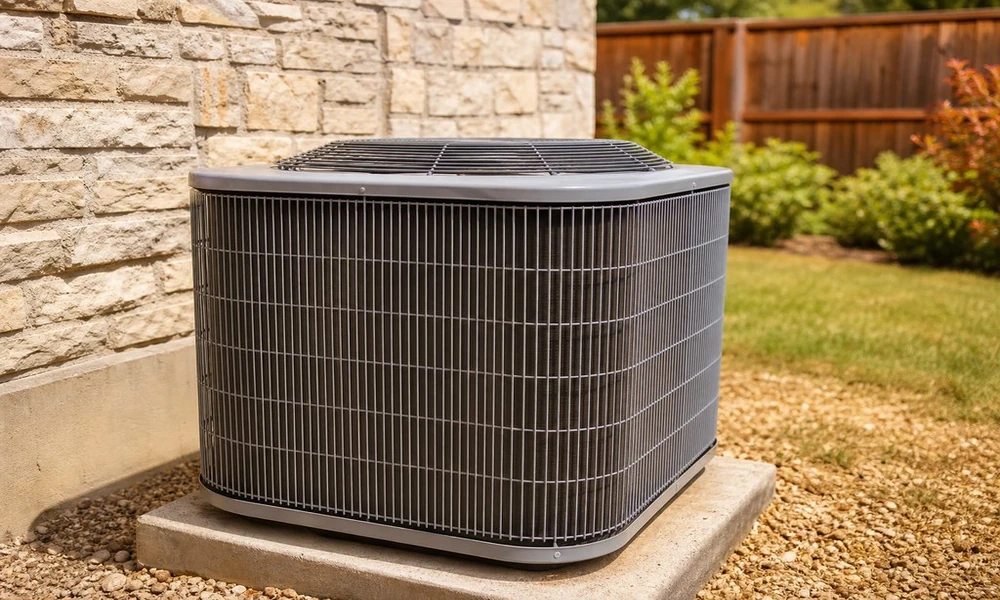
Residential Air Conditioning Equipment
There’s no time to comparison shop when an aging AC fails during an August heatwave. Inside the home, temperatures rise quickly, sleep becomes challenging, and suddenly any available appointment can seem like a good one. The goal, however, isn’t simply to get a new unit installed outdoors. It’s to have a correctly sized, professionally designed and installed system that can perform reliably through a San Antonio summer.
AC installation in San Antonio, TX, comes with unique requirements. Triple-digit summer temperatures place significant demands on cooling equipment, while the wide variety of homes throughout Bexar County can create very different installation challenges. Older ranch homes, newer two-story properties, homes with additions, and houses with aging ductwork or limited attic access may each require a different approach.
That’s why choosing an experienced AC installation company matters. A qualified contractor should evaluate the home, calculate its cooling requirements, select compatible equipment, and make sure the installation is completed correctly.
Prepare for a Fast, Accurate Assessment
Gather Details Before Calling
Gather the following information before calling for AC service:
- How old is your current unit?
- What was the cause of failure?
- Where is your current equipment located?
- Have you made changes to the home, such as adding insulation, replacing windows, converting a garage, or adding rooms?
If there are access issues, such as a locked gate or cramped attic space, tell the technician in advance. During a peak heatwave, equipment availability can also affect how quickly the job can be completed. Some models and capacities may be available immediately, while others could require additional time.
Acting quickly is important, but homeowners shouldn’t choose equipment solely because it is available. The system still needs to match the house.
Inspect the House Before Choosing Equipment
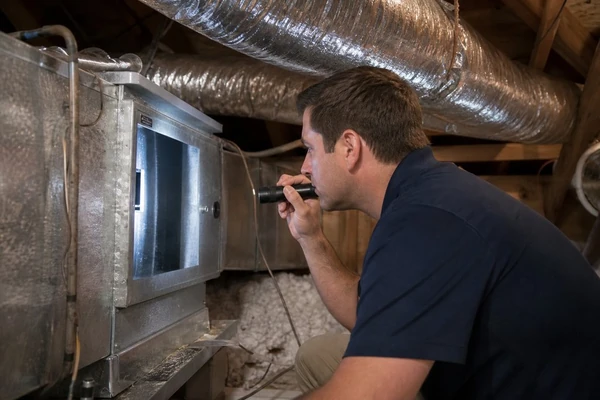
Rather than simply reading the nameplate on the existing equipment and replacing it with the same size, a professional should inspect the property and determine what the new system requires.
Older systems may have been incorrectly sized from the beginning, or the home’s conditions may have changed because of insulation improvements, deteriorated ductwork, renovations, or changes in how rooms are used.
Key areas to evaluate include:
- Size, orientation, and number of windows
- Ceiling height and square footage
- Insulation levels and potential air leaks
- Ductwork condition and return-air volume
- Temperature differences between rooms
- Electrical panel capacity, breaker size, and disconnect
- Air-handler location and condensate drainage
Proper Sizing Is a Priority
Proper sizing becomes especially important during San Antonio’s extreme summer temperatures. Replacing an old system with the same tonnage may seem like the easiest option, but it can repeat problems caused by an incorrectly sized system. Read here: www.climate.gov/news-features
For example, a one-story ranch with inadequate attic insulation may have very different cooling requirements from a newer two-story home with bedrooms that consistently overheat upstairs. An experienced contractor should account for these differences before recommending equipment.
Match the Equipment to the House
Balance Availability with Suitability
After assessing the property, the contractor can compare replacement options. The equipment needs to meet the home’s cooling load while also working with the existing ductwork, electrical system, available installation space, and drainage requirements.
A highly efficient outdoor unit cannot compensate for an inadequate return duct or a poorly installed condensate drain. The outdoor condenser also needs sufficient clearance for airflow and future service access. Narrow side yards, fences, bushes, and storage containers can all create problems if the equipment is installed without considering the surrounding space.
Homeowners may also qualify for a utility rebate when eligible equipment is installed by an authorized contractor. Rebate programs can have specific efficiency, equipment, contractor, documentation, and submission requirements, so it is smart to ask about available incentives before ordering equipment.
For AC installation in San Antonio, TX, working with the right contractor can make a difference. A company such as Atlas AC Repair can help homeowners address local installation requirements and determine whether the selected equipment qualifies for a CPS rebate. With the right contractor and qualifying equipment, homeowners often have an opportunity to enjoy valuable CPS rebates while upgrading their cooling system. Read more on CPS Rebates here.
Clear Access and Verify Power
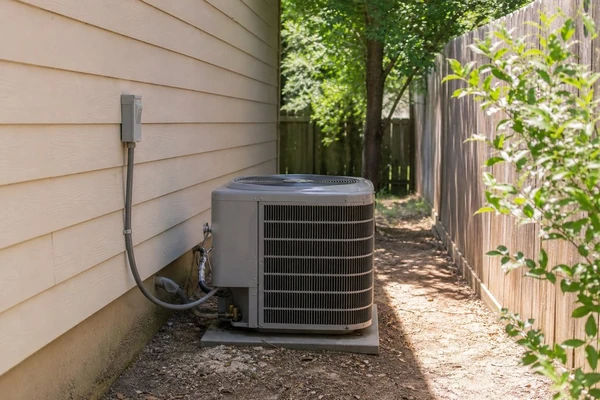
Clear a pathway to the indoor equipment, whether it is located in an attic, closet, garage, or utility room. Move vehicles if the outdoor condenser is near the driveway, and keep pets away from the work area.
The electrical inspection is more than a box to check. The technician should verify that the breaker, wiring, disconnect, and available amperage are appropriate for the new system. If an electrical upgrade is required, it should be completed properly rather than bypassed.
The installation may also involve modifying ductwork, replacing a damaged equipment pad, installing a new thermostat, or correcting drainage. These details can affect system performance and reliability for years.
Before the job is complete, ask whether the equipment warranty will be registered and whether you will receive copies of applicable permit, inspection, and rebate documentation.
Check Performance Before the Heat Returns
Watch the First 48 Hours
A new system should begin cooling the home consistently, although individual rooms may not immediately reach the same temperature. The walls, furniture, and rooms near a hot attic can retain heat after several days of extreme temperatures.
During the first couple of days, watch for warning signs such as:
- Standing water near the indoor unit
- Excessive cycling
- Weak airflow
- Unusual noises
- A room that remains significantly warmer than the rest of the house
Keep interior doors and vents open as normal and avoid blocking return-air vents with furniture or storage boxes.
Record the Final Installation Details
An AC replacement during an August emergency doesn’t have to become a panic-driven decision. Request a copy of the load calculation, confirm what electrical, ductwork, and drainage work is included, and keep all warranty and rebate documents.
Before the technicians leave, record your thermostat settings, filter size, equipment information, and the date of your recommended maintenance appointment.
In San Antonio, properly designed AC equipment is more than a comfort upgrade-it is an important investment in surviving the region’s extreme summer heat. Choosing a contractor who understands Bexar County homes, local installation challenges, and available CPS rebate requirements can help ensure the new system is built to perform when homeowners need it most.