
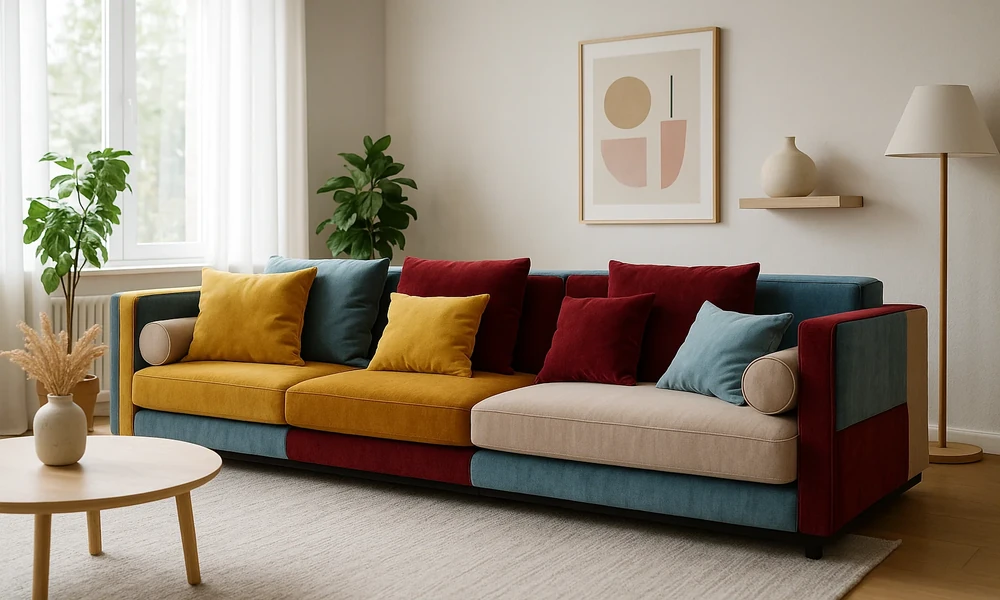
A comfortable home is often created through small details that bring the entire interior together. Furniture, lighting, wall colours, and decorative accessories all contribute to the atmosphere of a room. Among these elements, cushions are a simple yet effective way to improve comfort and introduce personality without making major changes to the existing decor.
Whether you live in an HDB flat, a condominium, or a landed property, the right cushions can make your living space feel more welcoming. They can soften the appearance of a sofa, add colour to a neutral bedroom, or create a comfortable corner for reading and relaxation. Choosing suitable designs, materials, and sizes helps ensure that these accessories complement both your lifestyle and your interior design preferences.
1. Consider the Overall Interior Design Style
Before choosing cushions, take a closer look at the existing furniture and colour scheme in your home. The goal is to create a balanced appearance rather than introducing decorative pieces that compete with the rest of the room.
For modern interiors, cushions in neutral shades such as beige, cream, grey, and white can create a clean and understated look. These colours work particularly well with contemporary furniture, simple layouts, and uncluttered spaces.
Homes with a more traditional interior may benefit from floral patterns, embroidered details, or richer colours. Meanwhile, natural textures and earthy shades can complement Scandinavian and minimalist designs.
There is no need to match every cushion to the sofa exactly. Combining complementary colours often creates a more interesting arrangement. For example, a light grey sofa can be paired with cushions in muted green, warm brown, or dusty blue. The same principle applies to other furniture colours, provided the shades work well together.
2. Choose Materials Suitable for Singapore’s Climate
Singapore’s warm and humid climate makes fabric selection an important consideration when decorating a home. Materials influence not only the appearance of cushions but also how comfortable they feel and how easily they can be maintained.
Cotton is a popular choice because it feels soft, comes in many designs, and is generally easy to care for. Linen offers a relaxed appearance with a natural texture that suits bright, airy interiors. Both materials can work well in living rooms and bedrooms.
Polyester and blended fabrics are also worth considering, particularly for households that prefer practical furnishings. Depending on the construction, these materials can offer good durability and straightforward maintenance.
Velvet can introduce a more luxurious appearance through its soft surface and subtle sheen. However, it may require more careful cleaning than some everyday fabrics. It is best to consider how frequently the cushions will be used before selecting delicate materials.
Regardless of the fabric, allow cushions to air regularly and avoid leaving them damp for extended periods. Following the manufacturer’s cleaning instructions can help preserve their appearance over time.
3. Select the Right Colours and Patterns
Colour plays an important role in determining how a room feels. Soft neutrals can create a calm environment, while brighter shades can introduce energy and visual interest.
One practical approach is to begin with the dominant colour in the room. This might come from the sofa, curtains, rug, or even a piece of artwork. Choose two or three complementary shades and use them to guide your selection.
Patterns can add character, especially when the rest of the room features plain furniture. Geometric designs suit contemporary interiors, while botanical prints can introduce a natural element. Textured fabrics provide another way to create variation without relying on bold colours.
When combining patterns, consider their scale. A large print can work alongside a smaller geometric design if they share a similar colour palette. Including a few plain cushions between patterned pieces can also prevent the arrangement from appearing too busy.
The objective is to create visual interest while maintaining a consistent style throughout the room.
4. Pay Attention to Cushion Size and Shape
The dimensions of a cushion should suit the furniture on which it will be placed. Oversized cushions may overwhelm a compact sofa, while very small ones can look out of proportion on larger furniture.
Square cushions are versatile and work well on most sofas, armchairs, and beds. Rectangular cushions can provide additional lower back support and introduce variety into a seating arrangement. Round cushions are useful as decorative accents, particularly when the room contains many straight lines and angular furniture pieces.
For a standard three seater sofa, a combination of three to five cushions is often a practical starting point. Larger cushions can be placed at the ends, with smaller pieces arranged towards the centre. However, the final number should depend on the sofa’s dimensions and how much seating space you want to preserve.
For beds, consider the size of the mattress and the number of pillows already in use. A few decorative cushions can make the bed look more inviting without creating unnecessary clutter.
5. Think About Comfort as Well as Appearance
Although decorative details can improve a room’s appearance, comfort should remain a priority. A cushion that looks attractive but feels uncomfortable may not be used regularly.
Pay attention to the filling as well as the outer cover. Polyester fibre filling is lightweight and commonly used for decorative cushions. Feather blends can offer a softer, more relaxed feel, while firmer fillings may provide better support for people who use cushions when sitting for extended periods.
Consider where each cushion will be placed. Living room cushions should be comfortable enough for everyday use, while decorative pieces on a guest bed may place greater emphasis on appearance.
Removable covers are particularly useful because they can make cleaning easier. Before purchasing, check the washing instructions, dimensions, and whether the cover and insert are sold together.
These practical details can make a difference in how well the cushions perform over time.
6. Refresh Different Areas of the Home
Cushions are not limited to living room sofas. They can be used throughout the home to introduce comfort and create a more coordinated interior.
In bedrooms, decorative cushions can complement the bedding and add another layer of texture. Choose colours that work with the duvet cover and curtains to maintain a cohesive appearance.
An occasional chair in a reading corner can benefit from a single supportive cushion. This small addition can make the space feel more comfortable without requiring extra furniture.
For larger homes with covered balconies or sheltered outdoor seating areas, outdoor cushions can help create a relaxing environment. Choose products specifically designed for outdoor use and check their resistance to moisture, fading, and mildew. Bring them indoors when necessary to protect them from prolonged exposure to rain and humidity.
These simple changes allow homeowners to refresh several areas without redesigning the entire space.
7. Maintain Cushions for Long Term Use
Regular care helps keep cushions looking fresh and comfortable. Start by checking the care label before washing the covers or inserts. Some fabrics can be machine washed, while others require gentle spot cleaning or professional care.
Vacuuming cushions occasionally can help remove dust and loose particles. Fluffing the filling and rotating cushions between different seating positions can also help maintain their shape.
If a cushion becomes damp, allow it to dry completely before placing it back on the sofa or bed. This is especially important in humid environments, where trapped moisture can contribute to unpleasant odours.
It is also useful to inspect the seams, zips, and filling periodically. Replacing a worn insert or refreshing the cover may be enough to restore a cushion’s appearance without replacing the entire piece.
Conclusion
Choosing suitable cushions is a straightforward way to improve the comfort and appearance of a home. By considering interior design, fabric, colour, size, and maintenance requirements, homeowners can select pieces that complement their furniture and suit their daily routines.
For anyone exploring cushions singapore options, it helps to compare different styles and materials before making a decision. Think about how the cushions will be used, the atmosphere you want to create, and the amount of care you are willing to provide.
A thoughtfully arranged selection of cushions in singapore homeowners can incorporate into their living spaces can add warmth, texture, and personality without requiring significant changes to the existing decor. With the right balance of style and practicality, even a small decorative update can make a room feel more inviting.